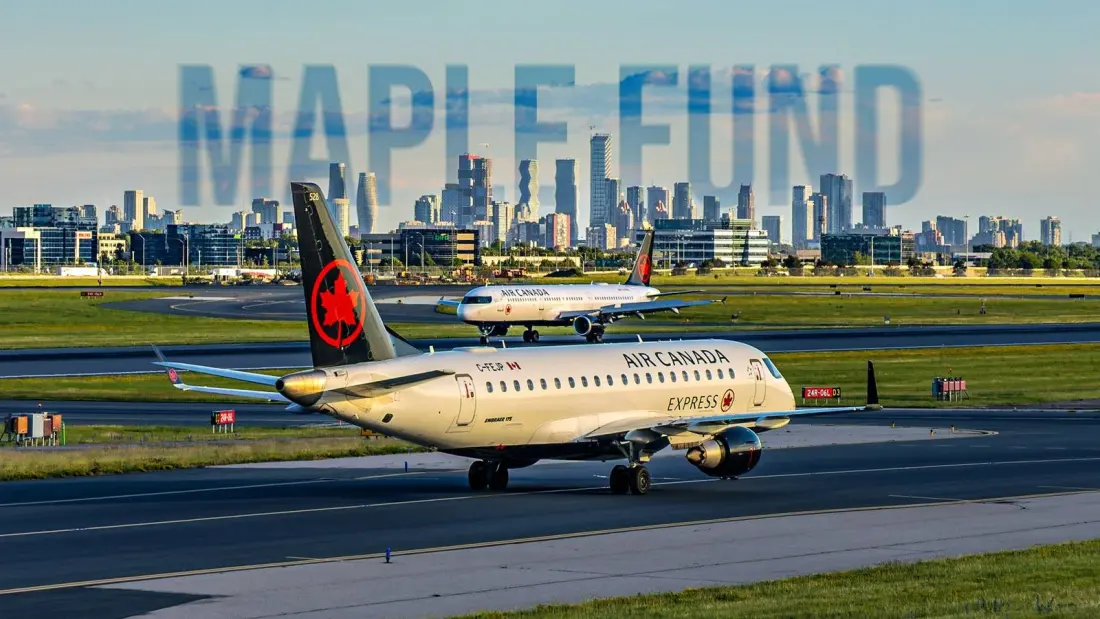
On September 15, Prime Minister Mark Carney announced that Ottawa will seek long-term private concessions to operate Canada's four busiest airports: Toronto Pearson, Montréal–Trudeau, Vancouver International and Calgary International. Hours earlier, on the same stage at the Canada Investment Summit in Toronto, CPP Investments and Brookfield Asset Management launched the Maple Fund — a partnership that can deploy up to C$50 billion (about US$36 billion) into Canadian infrastructure, with each side committing up to C$25 billion over five years. The fund is built for deals worth more than C$5 billion, which is roughly what a single major airport concession would cost.
Nobody has confirmed the Maple Fund will bid. But the timing is striking, and Brookfield reportedly pitched a similar Canada-focused infrastructure fund years ago — when Carney himself chaired the company's board, a role he held from 2020 until entering politics. Canadian pension capital is already experienced here: Ontario Teachers' spent two decades holding stakes in Birmingham, Bristol and London City airports before selling to Macquarie, and PSP Investments owns seven airports internationally and has said it wants to apply that know-how at home.
What's actually on offer isn't an outright sale. Ottawa would keep ownership of the land while a private operator takes a multi-decade lease on running operations and collecting fees — a structure similar to Ontario's 99-year Highway 407 deal from 1999. Proceeds are earmarked for regional airport upgrades and a national broadband backbone, within a summit that racked up nearly C$500 billion in commitments. A new "Productivity Mega Deduction" tax measure, cutting the marginal effective rate on new investment from 13% to 6.4% (the lowest in the G7), sweetens the return math for any long-hold bidder.
The stakes are enormous. Toronto Pearson handled 47.3 million passengers in 2025 — over 950 flights a day — with Vancouver at a record 26.9 million, Montréal at 22.4 million and Calgary at 19.4 million. Any concession holder would also inherit major construction programs, including Pearson's multibillion-dollar LIFT modernization and Montréal's C$10 billion, decade-long expansion.
For travellers, the immediate question is fees. Passengers already pay some of the world's highest airport improvement charges: C$35 (about US$25) per departing traveller at Pearson, C$25 at Vancouver, C$23 at Montréal and C$20 at Calgary. International evidence suggests private ownership tends to push landing fees and passenger charges upward over time — Australia's competition regulator warned in March 2026 that big infrastructure programs at its privately owned airports were likely to pressure charges higher. Whether that happens here depends on how Ottawa structures the concessions: controlling stakes (which funds like PSP say they require) or minority positions (which would rule out most of the interested capital). The Greater Toronto Airports Authority has responded coolly, saying it looks forward to working with government rather than simply handing over the keys.
Watch for two things over the next year: a formal request for proposals, and registered bidder interest. Both will be public long before any contract is signed.