Croatia has clocked up more than 20 million tourist arrivals in the first nine months of 2026, and the interesting part is where the growth is coming from: September, long after the beaches have emptied of families.
Figures from the country's eVisitor registration system show 2.6 million arrivals and 14.3 million overnight stays in September alone — both up 3% on the same month last year. That puts the year-to-date tally at 20.1 million arrivals and 104.9 million overnight stays, with arrivals up 2% and nights up 1% overall.
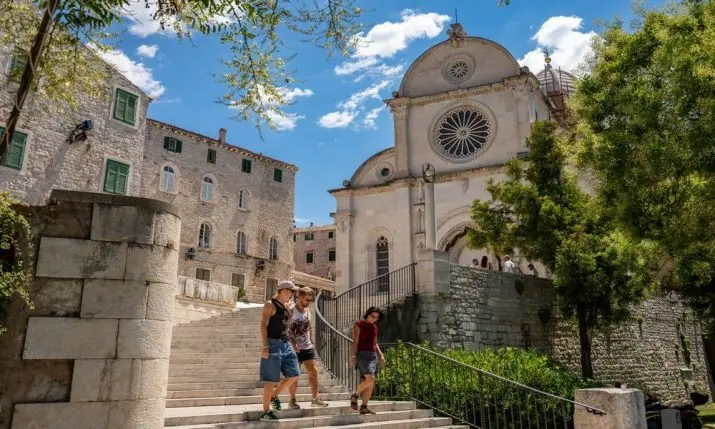
Istria is doing the heavy lifting. The peninsula recorded 29.5 million overnight stays from January to September, comfortably ahead of Split-Dalmatia County (19.9 million) and Kvarner (17.6 million). Rovinj, Dubrovnik, Poreč, Split, Umag and Medulin were the busiest single destinations over that period, and much the same line-up topped the September chart — evidence that places like Rovinj and Umag now pull serious crowds well into autumn.
The Adriatic coast accounted for 100.5 million of those overnight stays, while continental Croatia, Zagreb included, added 4.4 million. Both grew 1% year-on-year.
Germany remains the engine of Croatian tourism, with 20.8 million overnight stays in the first nine months. Croatians travelling at home came second on 13 million, followed by Slovenia (10.8 million), Austria (7.7 million), Poland (7.2 million), the Czech Republic, Hungary, Italy and the UK, which contributed 3.8 million nights. In September, Americans joined the top contributing markets too — a nod to the growing long-haul interest the tourist board wants to build on.
The money is following the visitors. Foreign tourism revenue in the first half of 2026 ran 5% ahead of last year, and fiscalised receipts in the tourism sector jumped nearly 18% over nine months, on 6% more receipts issued.
Tourism minister Tonči Glavina and Croatian National Tourist Board director Kristjan Staničić both framed the numbers as proof the shoulder season push is working. With Advent markets and winter events lined up across the country, the aim is to keep visitors coming past October — and to spread them more evenly through the year rather than cramming everything into July and August.
For travellers, this is genuinely good news. September in Croatia now has the atmosphere of high season without the peak prices or the worst of the crowds, and coastal towns like Rovinj and Dubrovnik keep their restaurants, ferries and tours running deep into autumn. If you've been put off by August queues in Dubrovnik's old town, an autumn trip — or even Zagreb's Advent festivities in December — is increasingly what the country is set up to deliver.