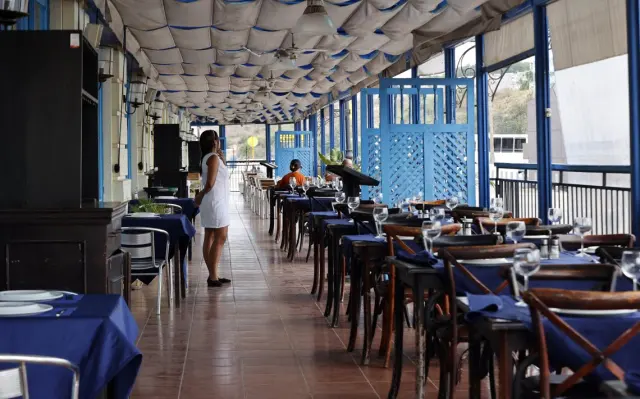
From 1 October 2026, shopping or dining in Croatia will look a little different. Businesses across the country — not just shops, but restaurants, hairdressers and other service providers — will have to show an extra reference price next to the current one, a practice known as "price anchoring". In practice, that means the price you see on a menu, a shelf label or a website will sit alongside a price tied to a specified earlier date, giving you an instant sense of how much things have gone up.
The rule is Croatia's latest push on price transparency, and it matters in a country where tourism drives a huge chunk of the economy and where visitors have been vocal in recent years about rising costs along the Adriatic coast. For anyone travelling there, the change should make it easier to judge whether you're being quoted a fair price for a coffee on the Riva or a room in Dubrovnik.
It's not the only pricing rule in play, though. Croatia already requires businesses to show the lowest price charged during the previous 30 days — a separate obligation that the new anchoring requirement doesn't replace. Businesses will now have to juggle several overlapping display rules, and the Croatian Employers' Association (HUP) is pushing back on the details. The group warns the changes could mean updating pricing systems, printed labels, websites and other commercial materials, a heavy lift for micro and small enterprises that make up much of the country's hospitality sector. HUP wants a formal SME impact test, plus clear technical instructions and enough lead time before the deadline.
Those details aren't fully settled yet. The exact implementation requirements and technical guidance are still pending, which means both businesses and consumers will be watching for instructions as October 2026 approaches. What's clear already is the visible outcome: from that date, expect more numbers next to more prices wherever you spend money in Croatia.
For holidaymakers, the practical takeaway is simple. If you're planning a trip after October 2026, the extra reference prices could be a handy sanity check in tourist-heavy spots where pricing has felt inflated. And if you run a business serving travellers — a konoba, a dive shop, a transfer service — the clock is already ticking on getting your displays, systems and website compliant before the rules kick in.