
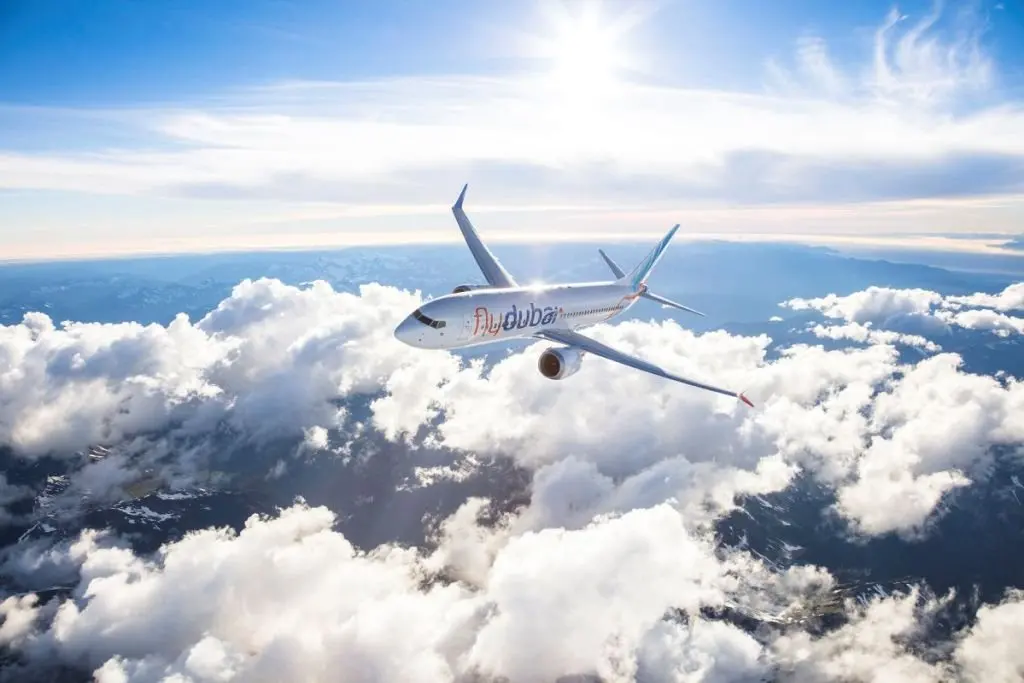
Flydubai says it expects to be flying at 100% of its pre-conflict capacity before the end of 2026 — and possibly slightly beyond, thanks to new aircraft deliveries. Speaking at Arabian Travel Market in Dubai, CEO Ghaith Al Ghaith acknowledged the caveat, saying the timeline is "subject to many things," but the direction of travel is clear: the Dubai-based carrier is rebuilding fast after a brutal stretch.
The backdrop matters. When regional tensions flared earlier this year, flydubai took the hardest hit of any major Middle East airline. September figures from aviation analysts OAG showed it slashed seat capacity by 18.3% year-on-year to around 1.05 million seats — the steepest decline among the region's top 10 carriers. Its network, which stood at 140 destinations before the conflict, is currently at 130, or roughly 85% recovered.
For a carrier many travellers know as the little sister of Emirates — and the airline that feeds much of Emirates' long-haul traffic through Dubai — that gap is significant. Flydubai doesn't just serve the Gulf; it's one of the main ways budget-conscious travellers reach Central Asia, East Africa, the Caucasus and parts of Eastern Europe via Dubai. Each restored route reopens a connection that had become awkward or impossible without expensive detours.
There's another thread in the story: Boeing. Deliveries of new aircraft have slipped, which has pushed flydubai's widebody ambitions out to 2028. In the meantime, the airline is investing in retrofitting its existing jets with premium seating — a move to squeeze more revenue from current fleet while it waits for new metal to arrive. Translation for passengers: more business-class style seats on routes that previously were all-economy, and a gradual step up in on-board product ahead of schedule.
Why should a holidaymaker care? If you've been holding off on a trip that involves a Dubai connection — say, a Dubai stopover paired with a flight on to the Maldives, Sri Lanka or Tashkent — the odds of getting a convenient, fairly priced itinerary are improving month by month. The last few destinations still missing from the network should return as the airline regains full capacity, and the widened premium cabins could make a long-haul economy flight feel less of a squeeze for those willing to pay a bit more. Just keep an eye on schedule changes as routes ramp back up; with recovery still ongoing, timetables may shift before they settle.