Miami International Airport has chased a nonstop Tokyo route for nearly a decade, and now local officials are getting serious about paying for it. Miami mayor Daniella Levine Cava is weighing a minimum revenue guarantee — a deal where the city would promise an airline a set amount of revenue on the new route during an introductory period, taking the risk out of launching it. The likely candidates are American Airlines, which runs a major hub at MIA, or Japan Airlines, American's partner in their joint business venture.
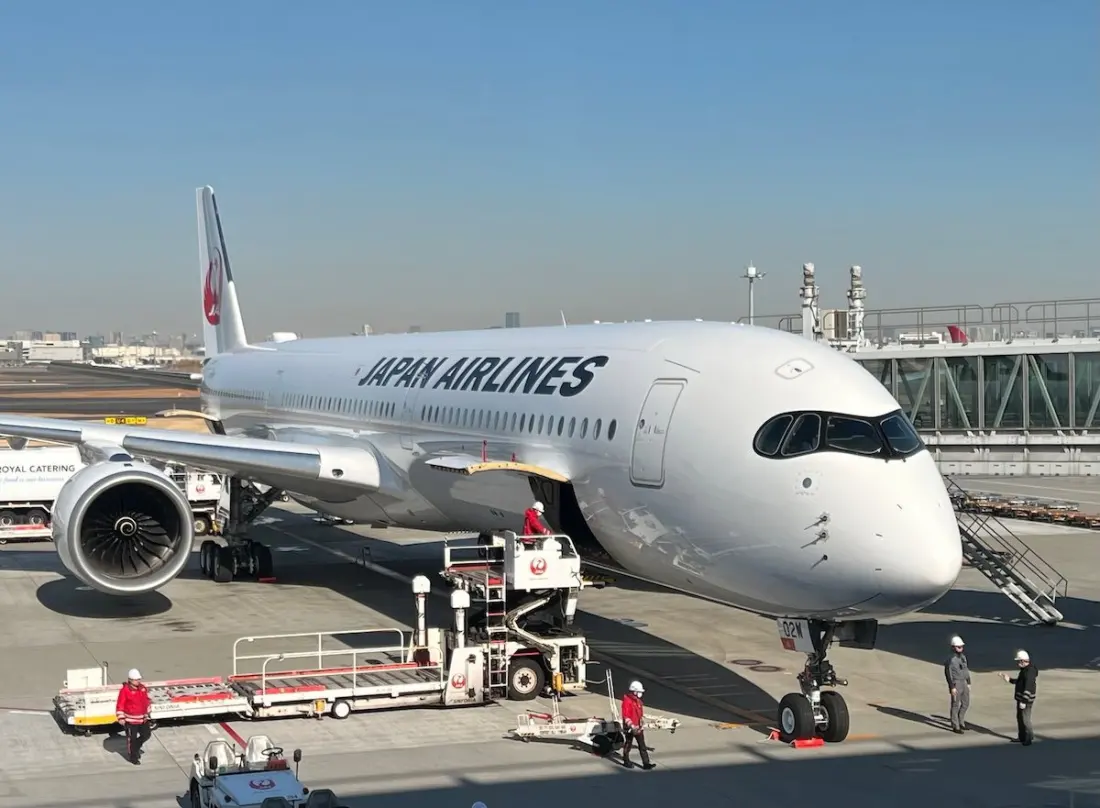
There's a reason for fresh optimism: according to the mayor's office, Japan Airlines has started taking delivery of new long-haul aircraft capable of flying Tokyo–Miami nonstop, with more arrivals expected over the next two to three years. Airport officials plan to pitch the business case at upcoming Florida–Japan trade meetings and a route development conference. Miami's aviation director, Ralph Cutié, says he's "fairly confident" the flight will happen — just not sure when, though possibly within a couple of years.
The case for the route isn't crazy. Florida is the largest US state economy without a nonstop Japan flight. Miami is also American's gateway to Latin America, so a Tokyo flight could theoretically pick up business travellers connecting from across the region, plus serve growing cultural and educational ties between Florida and Japan.
But the scepticism is warranted. A Miami–Tokyo sector would be Japan Airlines' longest US route, and ultra long-haul economics are brutal. Miami sits in the far southeast corner of the US, so domestic connections are inefficient compared to hubs like Dallas or Chicago. International passengers connecting through Miami would face another snag: the US has no sterile transit, so even someone just changing planes would need a US visa. And local flyers are already loyal to American and oneworld — they'll connect to Japan via American or JAL anyway, meaning the nonstop wouldn't unlock much new demand.
For context, Miami's long-haul wish list also includes Asuncion, Riyadh and Singapore. Riyadh looks genuinely plausible given Saudi Arabia's aggressive route subsidies. Singapore, meanwhile, is beyond the range of any aircraft currently flying.
The realistic read: don't expect a Miami–Tokyo nonstop to appear soon. It's more of a multi-year bet tied to when Japan Airlines' new widebodies actually translate into fleet growth rather than simple replacement — American's own long-haul expansion is minimal. But if Miami dangles a big enough revenue guarantee, economics can change fast, and travellers in the southeastern US would gain a genuinely convenient one-stop-free option to Japan. Watch this space, but pack patience.