Looking for a holiday that goes deeper than theme parks and beach chairs? The United States offers a remarkable range of Indigenous-led and Indigenous-focused experiences, from summer powwows to cliff dwellings you can only reach by ladder. Here are nine worth building a trip around.
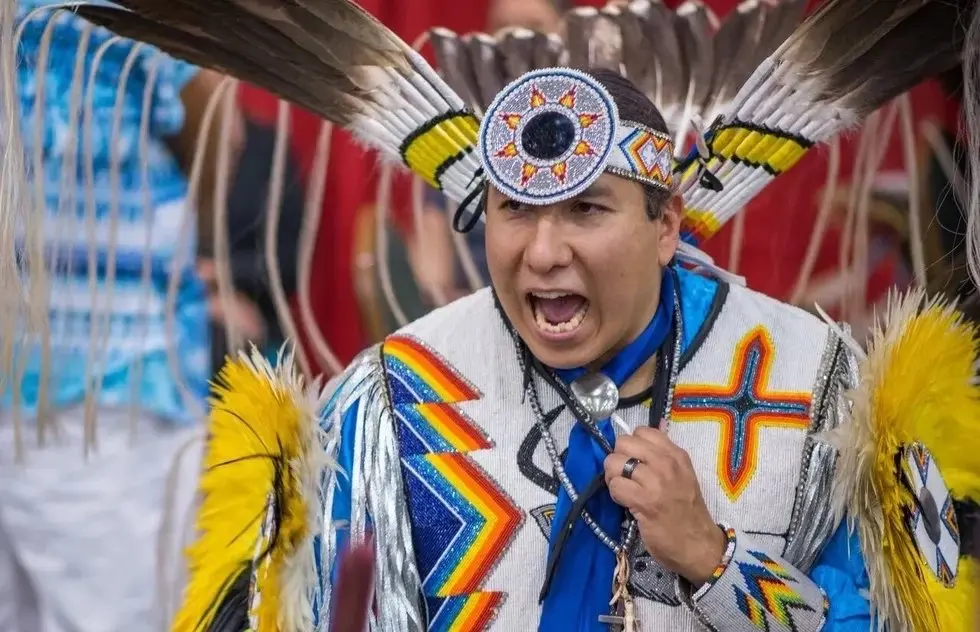
In Oklahoma City, the Red Earth Art Center displays Native American cradleboards, baskets, pottery and beadwork all year, but the real draw is the summer Red Earth Festival — part powwow, part juried art show — drawing more than 75 tribes, 130 artists and crowds of competing dancers and singers in full regalia.
In South Dakota, Tatanka Rez Tourz on the Pine Ridge Reservation offers customised tours led by Guss Yellowhair, covering Oglala Lakota history and sites including the Wounded Knee Massacre monument, where visitors witness a chant, tobacco offering and prayer flag ceremony. The setting is striking: grasslands at the edge of Badlands National Park.
Monument Valley Nav Tribal Park, straddling the Arizona-Utah border, is sacred Navajo land where only Native guides can take visitors past Valley Drive. Jeep, van and horseback tours reach petroglyphs and Ancestral Puebloan ruins, and evening trips come with some of the best stargazing in the country.
Cherokee, North Carolina, an hour west of Asheville, packs in several attractions: living-history demonstrations at Oconaluftee Indian Village, the Museum of the Cherokee People, and the outdoor drama Unto These Hills, staged every summer since 1950, which recounts the forced relocation of 16,000 Cherokee to Oklahoma.
Taos Pueblo in New Mexico is an adobe village built between 1000 and 1450, still inhabited by Tiwa-speaking people and recognised as a UNESCO World Heritage Site. Optional 20- to 30-minute tours visit the San Geronimo Chapel, and Taos Indian Horse Ranch runs rides through the high desert.
Ketchikan, Alaska, holds one of the world's largest collections of standing totem poles. Totem Bight State Historical Park is the quieter, cheaper choice; Saxman Native Village adds dancing and carvers for cruise passengers, and the Totem Heritage Center museum preserves original 19th-century poles indoors.
Colorado's Mesa Verde National Park protects 5,000 archaeological sites, including 600 cliff dwellings. The standout, Cliff Palace — North America's largest, with 150 rooms and over 20 kivas — requires a moderately strenuous hike and a 10-foot ladder climb. Nonhikers can still see plenty from Mesa Top Loop Road.
For a resort stay with Indigenous roots, the Gila River Indian Community-owned Sheraton Grand at Wild Horse Pass near Phoenix blends Pima and Maricopa culture into its 500 rooms, its Aji Spa (the only place in the world offering thoachta treatments) and Kai, one of Arizona's most acclaimed restaurants.
Finally, the National Museum of the American Indian in Washington, D.C., sits right on the National Mall. Admission is free, and with thousands of items on display, the free audio guide is the smart way in.
These experiences work for all kinds of travellers — families will love Cherokee and Red Earth, road-trippers can chain together the Southwest sites, and anyone wanting Indigenous-led tourism will find Pine Ridge and Monument Valley especially rewarding. Timing matters: powwows, outdoor dramas and festivals run mainly in summer, while desert sites like Mesa Verde and Monument Valley are best in spring and autumn.