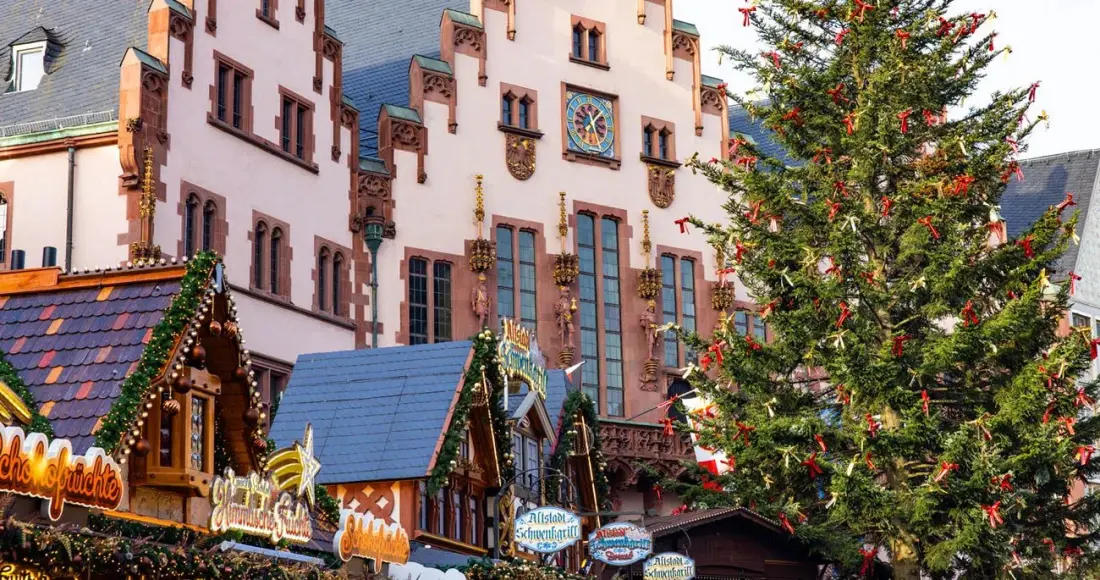
A medieval market under half-timbered gables, with fire-eaters, axe throwing and flaming feuerzangenbowle, has beaten Nuremberg and Dresden to the top spot in a new ranking of Germany's best Christmas markets. The list comes from the travel writers at Earth Trekkers, who visited all 20 markets in person across two trips to Germany plus several years of exploring markets elsewhere in Europe.
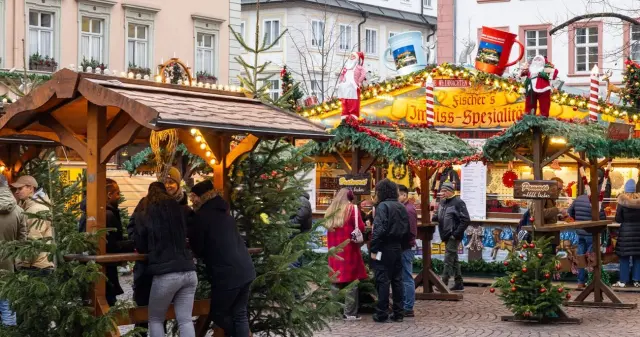
Their overall winner is Esslingen am Neckar, near Stuttgart in Baden-Württemberg. The town claims the oldest continuous row of half-timbered houses in Germany, and its market splits into a traditional section on Marktplatz and a medieval-themed spread across nearby squares, where you can try archery, make candles and watch jugglers. Food leans local too: stockbrot baked on a stick, stuffed cheesy breads, quarkbällchen and giant cinnamon rolls. The catch? Crowds — even a Thursday night was packed.
Dresden takes second place on history alone. Its Striezelmarkt on Altmarkt dates to 1434, making it the oldest Christmas market in Europe, with over 200 stalls and a record-breaking Christmas pyramid at the entrance. Add the Frauenkirche market, the Stallhof Medieval Market and a Romantic market, and the city offers several distinct experiences in one trip.
Nuremberg ranks third as the pick for traditional shopping and food. The Christkindlesmarkt has run since around 1530 on Main Market Square, backed by the Frauenkirche, and the quality of crafts is among the best around. Eat the famous Lebkuchen gingerbread, sip blueberry glühwein from Gerstacker, and climb the church tower for the classic view over the stalls. Just avoid Saturday night, which the writers describe as the most crowded market they hit in Bavaria.
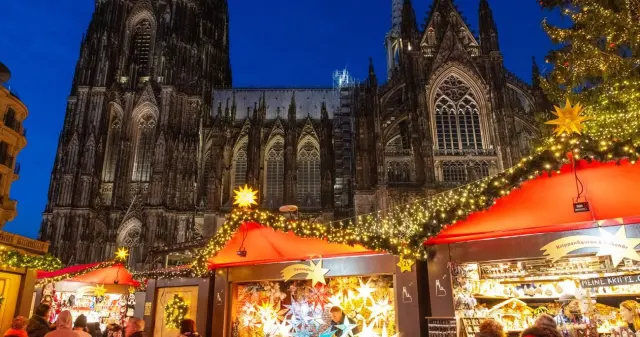
Other standouts: Stuttgart wins best decorations for its elaborately dressed stalls; Würzburg is the most underrated, with a lovely historic setting and thinner crowds; Ravenna Gorge is the most unique, staged beneath an illuminated railway viaduct; and Erfurt is the big surprise, set dramatically in front of its cathedral with a notably local feel and one of the most memorable mugs in Europe.
The practicalities matter as much as the picks. Most German markets open in the last week of November and close on December 23 or 24, though big-city markets often run to December 26 and a few stretch to New Year. The sweet spot for atmosphere without shoulder-to-shoulder crowds is late November or a weekday morning; the worst is Friday or Saturday evening between sunset and 8pm. And plan around Christmas itself — on December 24 markets close early or stay shut, and most are closed on December 25.
Why it matters for travellers: a first-timer can easily over-plan around the famous names and spend the trip queuing for glühwein. This ranking rewards mixing one or two headline markets with underrated towns like Erfurt and Würzburg, and it's honest about which crowd levels are tolerable. If you only have a long weekend, base yourself in Stuttgart — Esslingen, Ludwigsburg and Stuttgart's own markets are all within easy reach.