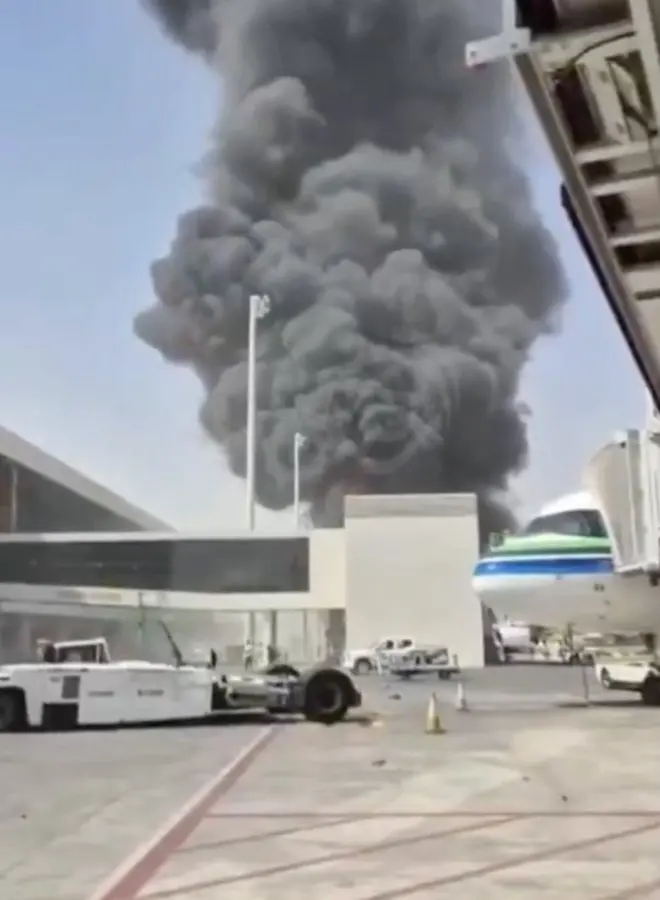
An attack on Riyadh's King Khalid International Airport (RUH) on October 10 has killed at least 12 people, including a U.S. citizen, and injured more than 300. Saudi authorities say a missile struck the complex housing Terminals 3 and 4, with no advance warning from the kingdom's threat alert system. The Houthis have claimed responsibility, according to Reuters.
The immediate disruption is severe. Airport operations have been suspended and inbound flights diverted, with over 300 cancellations reported in the 24 hours spanning the attack and the disruption that preceded it. Several foreign airlines had already pulled out, and traffic through the airport has now effectively stopped. The U.S. Mission in Saudi Arabia has issued a security alert telling Americans to stay away from the airport entirely.
This is not the first strike. An earlier attack destroyed a parked Saudia A320 on the ground and killed three people, among them an airline captain. Each escalation has drawn civilian aviation closer to the centre of the conflict.
The harder question is what reopening actually means. Runways can be inspected and terminals repaired, but airlines still have to judge whether it is safe to fly crews and passengers into a target zone — and a working airport does not equal a safe route. Foreign carriers will now reassess not just Riyadh but the entire air corridor, including diversion airports and the risk from missiles, drones, and the air defences intercepting them. Travellers already in the city could find themselves stuck, or forced to travel overland to other departure points.
The damage also lands squarely on Saudi Arabia's push to build Riyadh into a global connecting hub. No airline can market a transit point that comes under missile fire, and any new Western service to the city would be taking on obvious risk. There is a wider fear, too: successful attacks embolden further escalation, while prompting harsher military responses, and the conflict keeps spreading rather than settling.
For anyone with trips booked through Riyadh in the coming weeks, treat the situation as volatile rather than a temporary delay. Monitor your airline and your embassy's alerts, expect cancellations and rerouting even if the airport technically reopens, and think carefully before travelling anywhere in the region while the security picture remains this unstable.