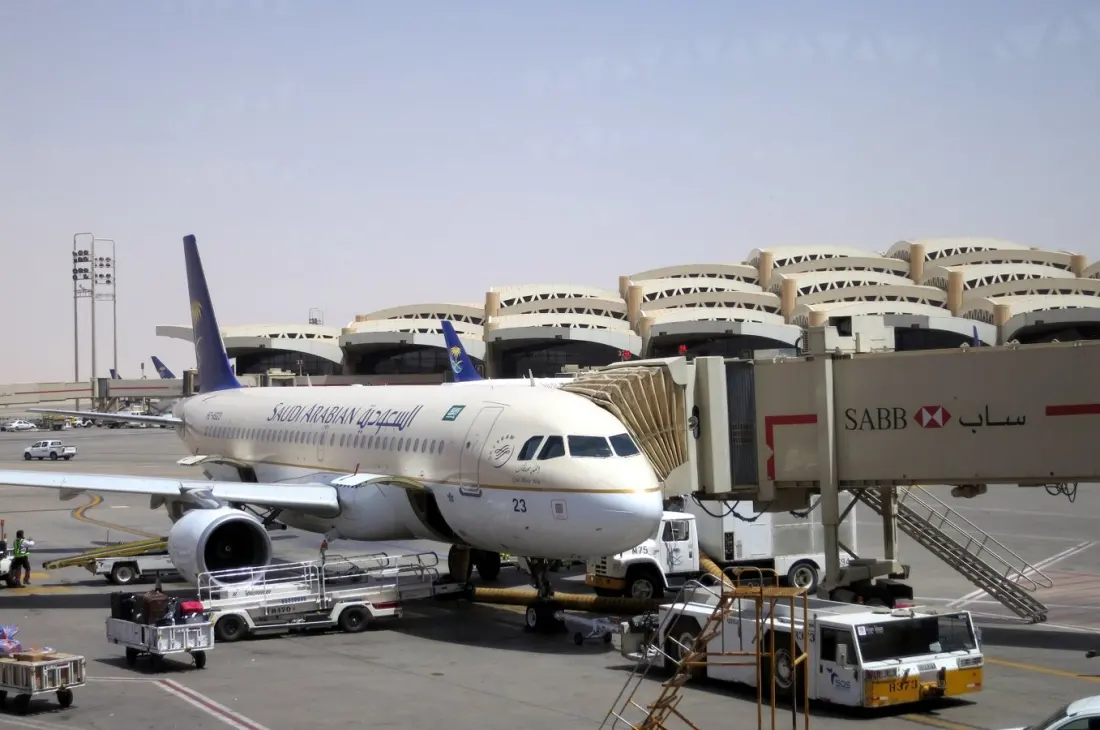
King Khalid International Airport in Riyadh, one of Saudi Arabia's busiest gateways, was forced to suspend operations after a deadly strike on Saturday left at least 12 people dead and 309 injured. Saudi authorities blame Yemen's Iran-backed Houthi militias, and it stands as the deadliest attack inside the kingdom in more than a decade.
The casualties were not only Saudi. The kingdom's General Authority of Civil Aviation said four Saudi citizens and eight foreign nationals were killed, including two Bangladeshis and nationals of the United States, Egypt, Jordan, Syria, Palestine and Sudan. The 309 wounded are being treated in hospitals across Riyadh, some in critical condition. Witnesses described a loud blast, panicked passengers and emergency crews ferrying the injured away from the terminals.
Flight tracking data shows the airport shut down quickly — the last arrival landed shortly after 14:00 local time, and the final departure had left just before that. Flights bound for Riyadh have been diverting, mostly to Jeddah, and authorities have given no firm date for reopening while security teams assess the damage. The strike came after other offensives on Saudi aviation facilities earlier the same week, prompting a review of security at airports nationwide.
The Saudi-led coalition has called the attack a war crime and promised retaliation. The Houthis had not formally claimed responsibility at the time of initial reports, but the group has repeatedly targeted Saudi airports and has openly warned airlines and travellers to avoid Saudi airspace, describing it as a military operations zone — with facilities in Mecca and Medina nominally exempt.
Context matters here: the strike follows the collapse of the truce that had calmed Saudi-Houthi hostilities since 2022, and comes days after a Flydubai flight from Dubai to Tel Aviv made an emergency landing in Saudi Arabia after an attempted cockpit attack. Fighting around Yemen's strategic Bab el-Mandeb Strait adds a maritime dimension to an already dangerous escalation.
For travellers, the takeaway is stark. Several airlines have already cancelled or rerouted flights, embassies are telling their citizens to steer clear of Riyadh's airport and surrounding areas, and the risk of further strikes or military retaliation remains high. Anyone with bookings to, from or through Saudi Arabia — particularly via Riyadh — should check directly with their airline, monitor their foreign ministry's travel advisories, and consider rebooking or rerouting through alternative hubs such as Jeddah or Doha until the situation stabilises. This is a fast-moving security situation, not a routine disruption, and the vulnerability of civilian infrastructure in the region has been put on full display.
Story reported by Colombia One.