Sri Lanka has set itself a target of 3 million international visitors over the coming year, announced at the Arabian Travel Market in Dubai. But the more telling figure came from Alexi Gunasekera, the country's consul general to Dubai: the government wants more than $5 billion in tourism earnings, and it would rather have fewer high-spending travellers than crowds of budget backpackers.
The numbers explain why. In 2025, the island pulled in 2.36 million visitors who spent about $3.2 billion — roughly $1,360 per person. Hitting $5 billion from 3 million arrivals means lifting that to around $1,667 per visitor. Ambitious, but still modest compared with the Maldives next door, which extracts closer to $2,480 per tourist. Sri Lanka's message to the market is essentially: we're done competing on headcount.
What does that mean on the ground? Expect the push to lean towards longer stays and higher-end product — boutique hotels, wildlife lodges, tea country villas, surf camps with proper infrastructure — rather than bare-bones volume tourism. The country has just recorded a record year for arrivals, so the timing is about converting momentum into better-value tourism rather than reinventing anything.
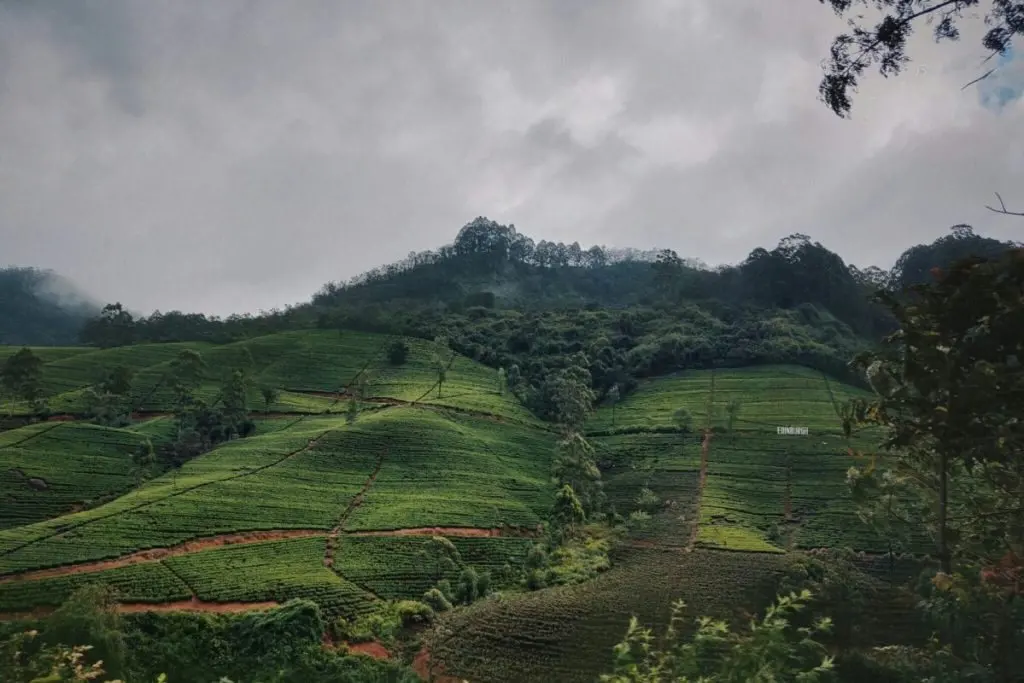
For travellers, this cuts both ways. Sri Lanka remains one of Asia's best-value destinations: you can still do beaches, ancient cities, hill country tea estates and leopard safaris in a single two-week trip without breaking the bank. But if the strategy works, expect more premium options — and gradually less of a bargain-basement pitch. Anyone who's been putting off a trip on price grounds may want to move sooner rather than later.
It also signals where the country sees its market. Speaking at a Middle East trade show, with the consul general to Dubai fronting the message, suggests Sri Lanka is courting Gulf travellers alongside the European winter-sun crowd — audiences that typically stay longer and spend more per day.
The bottom line: Sri Lanka isn't trying to become the next mass-tourism hotspot. It's trying to become the place where your rupees go further — for the country and, arguably, for you, since higher-spend tourism usually means better guides, better hotels and less crowding at the sights.