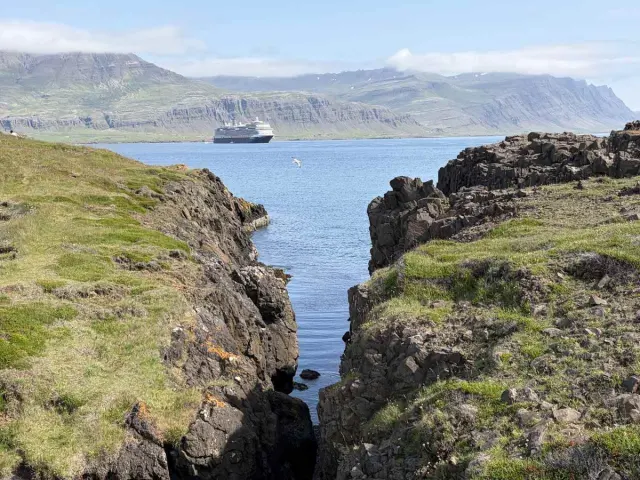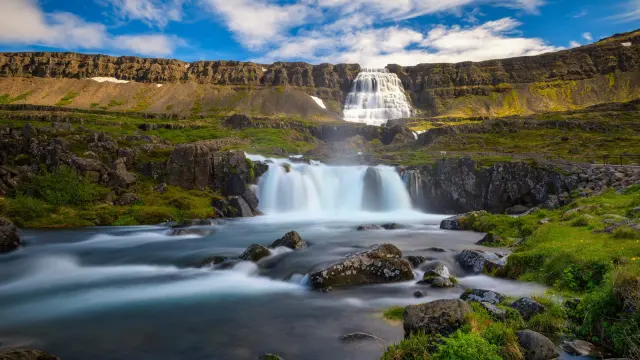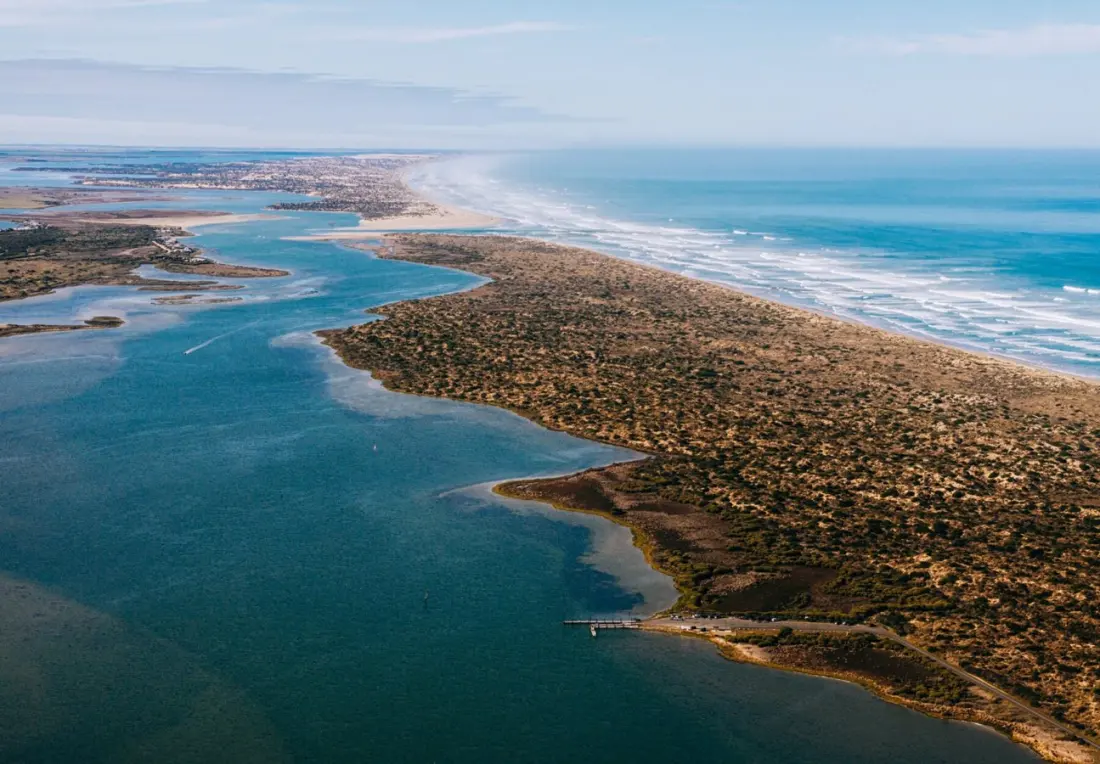
Where the River Murray finally spills into the Southern Ocean, there's a 200km sweep of lagoons, dunes and birdlife that has sustained Ngarrindjeri people for millennia. The Coorong, south-east of Adelaide, has just been formally listed as a Critically Endangered ecological community under federal law — a stark designation for a place that remains one of Australia's most atmospheric coastal landscapes.
Mark Koolmatrie, a Ngarrindjeri Elder from the Raukkan community on Lake Alexandrina, has been coming here since childhood and now shares it professionally. Since 2019 he's run Kool Tours, a multiple state tourism award winner, and joins Spirit of the Coorong's weekly boat cruises to add cultural commentary. For visitors, he's arguably the best window into a place layered with story: shell middens built up over thousands of years, burial sites scattered through the dunes, and the Ngarrindjeri creation story in which the creator Ngurunderi chased Pondi, a giant Murray cod, whose thrashing carved the river's wide, winding lower reaches.
The ecological picture is more troubling. Under natural conditions, strong freshwater flows down the Murray flushed the Coorong's mouth clear of sand and held back the sea. Decades of upstream extraction and regulation by locks and weirs have weakened those flows to the point where the Murray Mouth now needs near-daily dredging. Native fish such as Murray cod, callop and catfish have largely vanished from the Lower Lakes. The January listing covers the entire 650km of the River Murray within South Australia — the tail end of a Basin that starts near Mt Kosciuszko, 2500km away.
The pressure peaked during the Millennium Drought of 1997–2010, when Adelaide nearly ran dry and the Coorong and Lower Lakes edged towards collapse. The 2012 Murray–Darling Basin Plan followed, treating the environment as a water stakeholder in its own right. Around 250 wetland complexes line the South Australian Murray, and roughly half are now actively managed with environmental water — slow, patchy progress that locals describe as a long-term game.
Why should travellers care? Because tourism here is deliberately part of the solution. Seeing the Coorong with a Ngarrindjeri guide does more than fill a day trip; it builds the case for keeping water flowing to the bottom of the Basin. The Ramsar-listed wetlands still host remarkable birdlife, the surf beaches still yield mulloway, and the shifting dunes remain as cinematic as ever. Visiting — respectfully, and ideally with local operators — supports the people advocating hardest for this fragile system.