
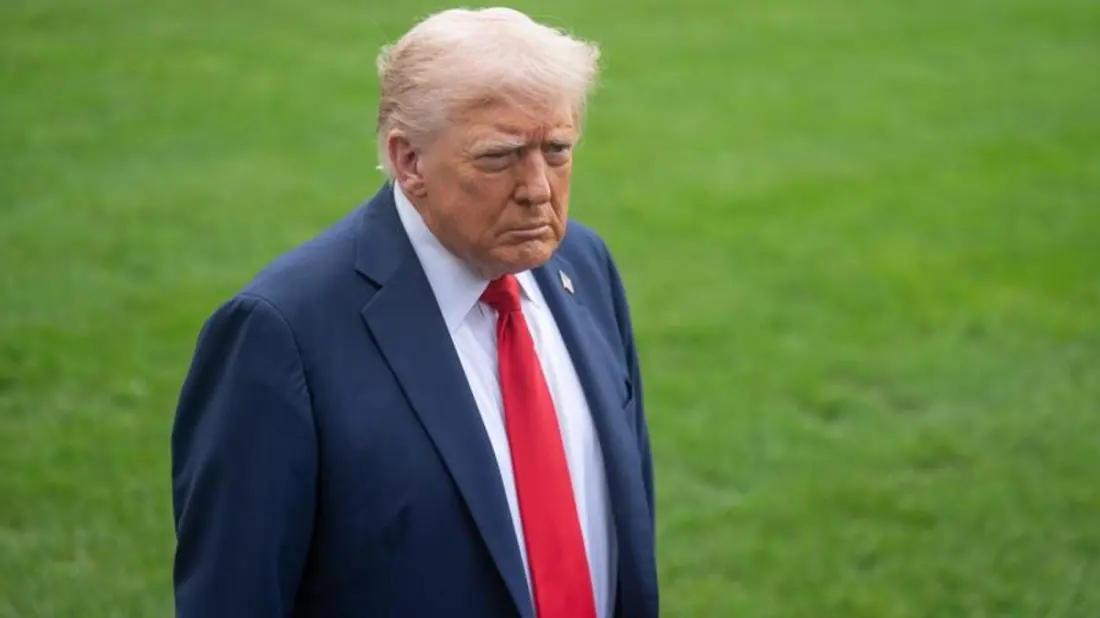
Seven months into the war that began when the US and Israel struck Iran on 28 February, President Donald Trump told reporters he hoped the conflict was "toward the end", claiming Tehran had signalled it wants to negotiate. His optimism came on a day the fighting widened dramatically, with Saudi aircraft hitting targets in Yemen and Iran-backed Houthi forces firing drones and missiles into Saudi territory.
The Houthis' rapid advance along Yemen's Red Sea coast, plus their attacks on Saudi cities, have opened a fresh front. Houthi military spokesman Yahya Saree said the group struck the major Red Sea oil port of Yanbu and an airbase at Khamis Mushait in southern Saudi Arabia, while claiming Saudi forces flew as many as 450 airstrikes on Yemen this week. Riyadh has not confirmed the strikes. Saudi Arabia has fought the Houthis since 2015; a years-long ceasefire held until the Houthis declared a naval blockade against the kingdom in July.
The immediate worry for the rest of the world is oil. Houthi attacks have damaged Saudi Arabia's East-West pipeline, and traders estimate a prolonged closure could remove up to 4% of global supply on top of disruption already caused at the Strait of Hormuz, which moved roughly a fifth of the world's oil and LNG before the war. Brent crude hovered around $108 a barrel, close to its highest since May, and US diesel hit a record above $6.30 a gallon. Prices eased about 1% in early Thursday trading after reports that Saudi Arabia was offering extra crude cargoes via Oman.
For travellers, the key development is the US State Department tightening its warning for Saudi Arabia, now barring government employees from travelling within 30 kilometres of the Yemeni border. Anyone with trips to the kingdom, Yemen's neighbours or Gulf states booked should check their government's latest advisories, since the security picture is shifting week to week. Trump is reportedly expected to meet leaders from all six Gulf Cooperation Council countries — Saudi Arabia, the UAE, Qatar, Bahrain, Kuwait and Oman — on the sidelines of the UN General Assembly to discuss next steps, which may clarify how the conflict, and regional airspace and access, evolve.