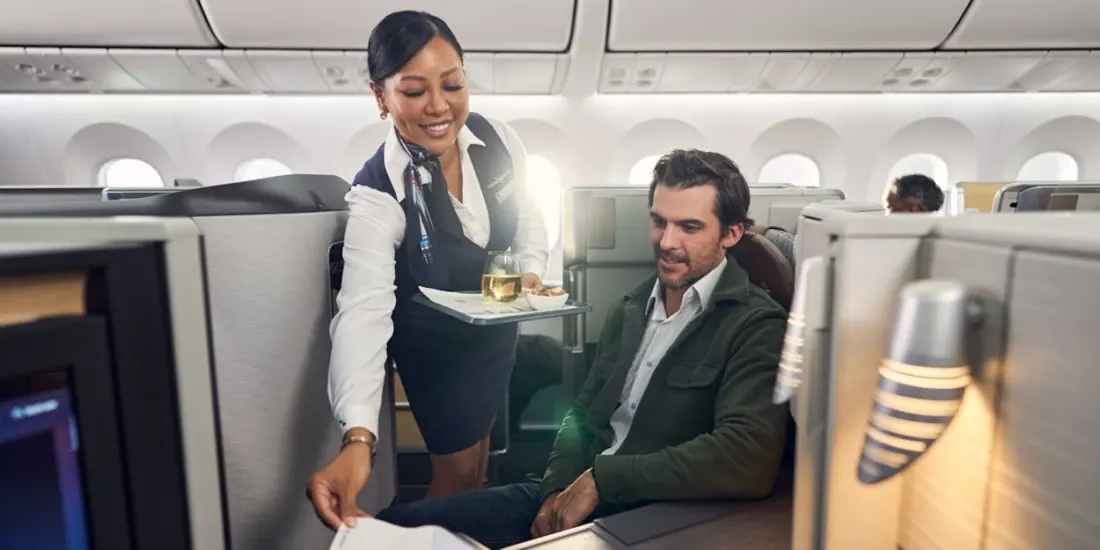
First class used to mean one thing above all: you paid more, and the basics came included. That bargain is quietly fraying at two of the big three US carriers.
United has extended its Basic fare structure to domestic first class and short-haul international business. The seat and onboard service are the same, but the cheapest premium fare gets just one checked bag, pays extra for advance seat selection, and can't make voluntary itinerary changes. Delta already sells something similar: its First Basic fares assign seats only after check-in, generally charge for changes and cancellations, block same-day confirmed changes and standby even for elite members, and trim mileage earning.
The argument from both airlines is 'choice' — passengers who don't care about flexibility can save money. Critics see it differently: the cheapest fares will simply buy less rather than cost less, and premium travellers get asked to pay twice for things that used to be standard. The point lands hardest for couples who want to sit together, or anyone whose plans might shift. Arguably the stingiest detail: a restricted first class ticket can end up less flexible than a regular economy fare.
That's where American Airlines has an opening. Its published domestic first class product currently includes seat selection, two checked bags and changes with no change fee (fare difference still applies). If American simply holds that line — and markets it clearly at the booking stage — it gains a concrete selling point that costs nothing to build. No new seat, no new cabin. Just a promise that buying premium actually means the perks are yours.
There's a catch, and it's a fair one. American's premium hard product has been unreliable — recent A321transcon flights with broken footrests, dead power outlets and non-functioning entertainment are not a great look. Fare rules alone won't win over flyers if the seat itself doesn't work. Included perks complement a good premium experience; they can't substitute for one.
Will United and Delta suffer for the new restrictions? Probably not much in the short term — last-minute business travellers with carry-ons and fixed plans won't notice. But for flexible flyers and couples, the differences now matter at checkout, and American has a rare chance to be the simple, sensible premium option among the US carriers.
If you're booking domestic first class in the US right now, read the fare rules before you assume anything. What's included — seat choice, bags, changeability — increasingly depends on which fare bucket you bought, not which cabin you're sitting in.