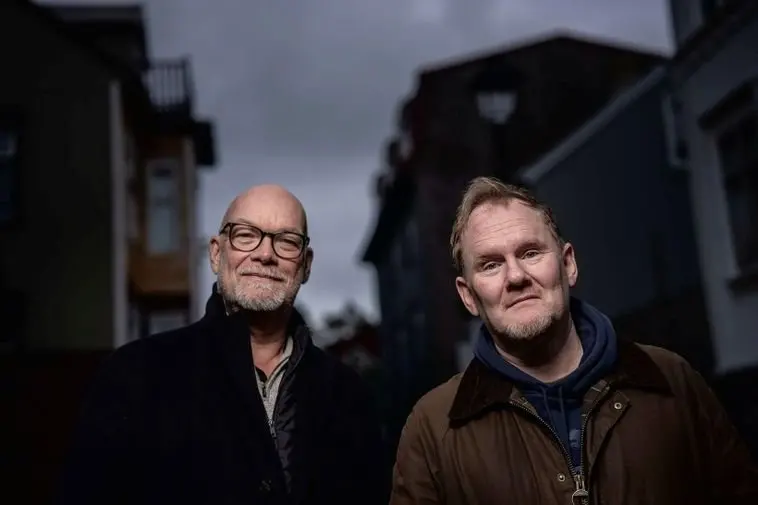
Iceland has a new addition to its growing shelf of Nordic noir. Dýpstu myrkur, a crime thriller by Swedish author Michael Hjorth and Icelandic co-writer Bjarni Haukur Þórsson, has just been published in Icelandic translation — and its plot leans hard on the country's moody terrain.
The story kicks off with a woman's body found in a stable near Hafnarfjörður, just outside Reykjavík. Detective Helga, a half-Swedish single mother living on Grettisgata in the capital, gets her first shot at leading a violent crimes unit investigation. She's paired with Bjarki, a hulking, quiet traffic cop who spends his free time with a search and rescue team. The pair quickly realise they're chasing a serial killer who targets single mothers — victims who look uncomfortably like Helga herself. The case pulls them into the Icelandic highlands as a missing child and a ticking clock raise the stakes.
The authors built the two leads as deliberate opposites. Helga is a city person happiest with friends and a book; Bjarki, loosely inspired by the saga hero Grettir the Strong, has no patience for people who linger in bars or restaurants. That clash — urban comfort versus rugged outdoors life — mirrors the contrast between Reykjavík's streets and the harsh interior where the hunt leads.
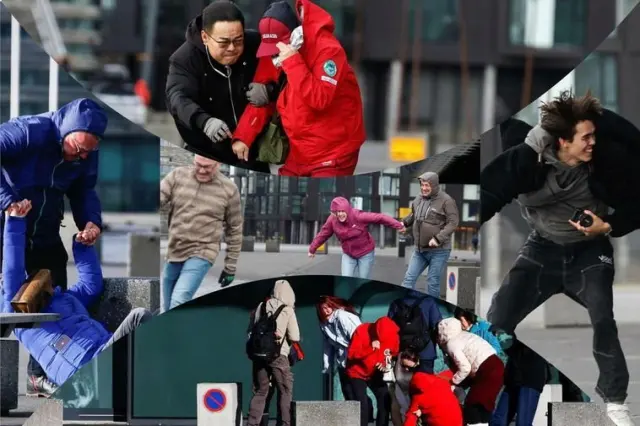
Hjorth is blunt about why the setting chose itself: Iceland's landscape and weather out-drama anything Sweden can offer. He also offered a very Icelandic piece of wisdom for anyone visiting: there's no such thing as bad weather, only badly dressed people. Nature, he says, plays a prominent role in the book alongside a story that moves between past and present, touching on the dark corners of the internet where twisted impulses take root.
For travellers, this is part of a familiar pattern — Icelandic crime fiction has long doubled as an atmospheric guidebook. Readers drawn in by Dýpstu myrkur can walk Helga's home street of Grettisgata in central Reykjavík, visit nearby Hafnarfjörður with its lava-field surroundings, or push further into the highlands where the investigation heads. It's a reminder that Iceland's appeal isn't just waterfalls and hot springs; its brooding, empty interior is a character in its own right, best appreciated with proper layers on.
A longer interview with the authors runs in the Sunday edition of Morgunblaðið.