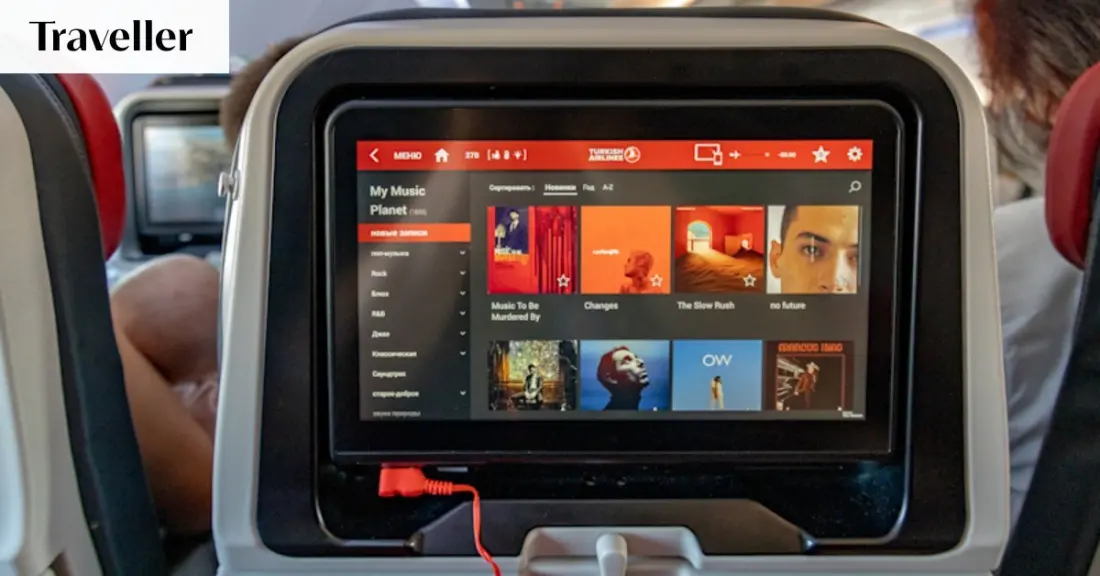
Ever found yourself tearing up at Grease somewhere over the Pacific, despite being perfectly dry-eyed at home on the sofa? You're not imagining it, and you're definitely not alone. There's a real scientific reason flights turn even the sturdiest passengers into sentimental wrecks — and it starts with the air you're breathing.
The science is fairly simple. Lower cabin pressure means less oxygen reaches your brain, a mild hypoxia that weakens your ability to regulate emotion and handle stress. Add the dehydrating effects of bone-dry cabin air (which leads to fatigue and further erodes your emotional defences), then pile on jet lag, a couple of glasses of wine or a sleeping pill, and suddenly the opening credits of a mediocre rom-com can feel like a bereavement. The writer behind this confession, a self-described member of the 'Mile Cry Club', notes the effect works both ways: films that seemed brilliant at 35,000 feet often turn out to be rubbish on rewatch at ground level. Hypoxia, it seems, can flatter a movie just as easily as it can flood it.
It's not all chemistry, either. Flying is emotionally loaded before you even board. The taxi that didn't show, the snaking check-in queue, the security scrum, the dreaded connection you might miss — collapsing into your seat with the seatback screen glowing is relief itself. For nervous flyers, takeoff triggers anxiety; for everyone else, separation from loved ones, destination nerves and plain dislocation all prime the tear ducts. Even good excitement — racing heart, butterflies, clammy hands — changes how we process what's on screen.
Then there's the awkward sociology of the shared cabin. Seatback screens have turned the old single-movie cinema experience into a private one, but you're still surrounded by hundreds of strangers. That means someone's eyes drifting over during an explicit scene, or worse, a seatmate two rows ahead starting the same thriller before you — spoiler delivered at 900km/h. And have you noticed half the cabin seems to be watching Marvel films? There's logic to that: loud, mindless blockbusters are perfect for forgetting you're crammed into an aluminium tube with your knees around your chin.
Practical takeaway: psychologists suggest anxious flyers avoid horror films and thrillers — Hijack and its panic-in-the-sky cousins are poor choices at altitude — and go for comedies or musicals instead. Though if you cry the moment the orchestra strikes up in The Sound of Music, as our writer does, that advice has its limits. The real wisdom here is to know yourself. If in-flight movies reliably wreck you, pick your film accordingly, skip the pre-flight drinks that amplify everything, and — per the writer's closing advice — pack plenty of handkerchiefs. Consider it a legitimate part of your carry-on kit.
This is a light, relatable read for anyone who has ever fumbled for a tissue over the Pacific, or wondered why a film they loved in the air fell flat at home. No destination required — just a window seat and an emotional warranty.