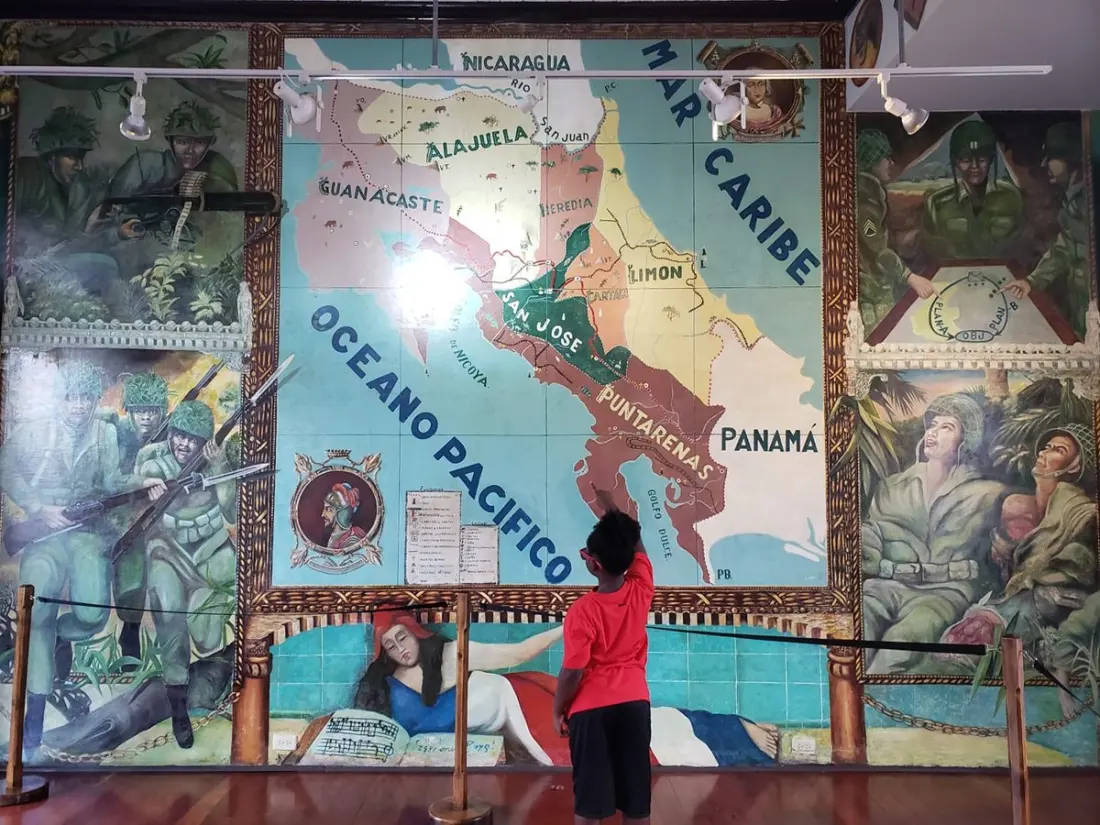
A short hop from San José, in the city of Alajuela, sits one of Costa Rica's most rewarding free attractions: the Juan Santamaría Historical Cultural Museum, set in the town's old 1870s army barracks and prison, facing the north side of Central Park. It's run by the Ministry of Culture and Youth, and admission costs nothing.
The man it honours is Costa Rica's national hero. Juan Santamaría Rodríguez, born in 1831, was a army drummer who died on April 11, 1856, during the Second Battle of Rivas in the Filibuster War. He famously carried the torch that set fire to the enemy stronghold, helping defeat American mercenary William Walker's forces. The story became a pillar of Costa Rican nationalism from the 1890s onwards, and April 11 is now a national holiday in his memory.
Inside, the permanent collection traces how the Costa Rican state took shape — from independence in 1821 through the Central American War and the 1856-1857 Filibuster War, which many Costa Ricans see as their real war of independence. Alongside Santamaría, the exhibits profile other figures of that era: president Juan Rafael Mora Porras, soldier Francisca "Pancha" Carrasco and Nicolás Aguilar Murillo.
It's not just history, though. The second floor hosts rotating temporary exhibitions by national and international artists, and the museum runs a busy cultural calendar — concert band performances, theatre and storytelling events like "Night of Stories" and "Music in the Museum." Annual programmes such as "On the Steps of Our Heroes" take visitors on walks to actual Filibuster War sites. Guided tours and educational workshops can be arranged for groups on request.
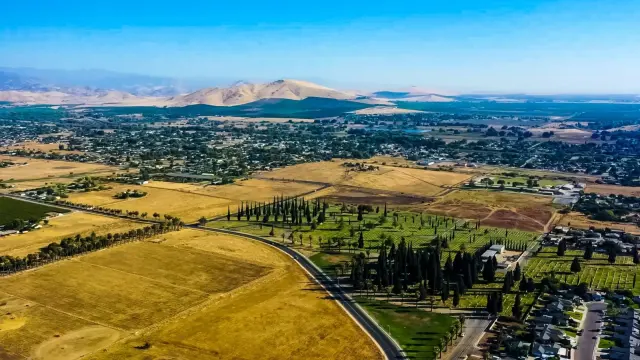
For travellers, it's an easy, worthwhile stop if you're staying near San José or flying in or out of nearby Juan Santamaría International Airport, which shares the hero's name. Alajuela itself makes a calmer base than the capital, and the museum pairs well with a wander around Central Park and the town's cafés. Hours are Tuesday to Sunday, 9:00 a.m. to 5:30 p.m., and with free entry it's one of the best-value culture stops in the Central Valley — ideal for history buffs and anyone curious about how this small country forged its identity.