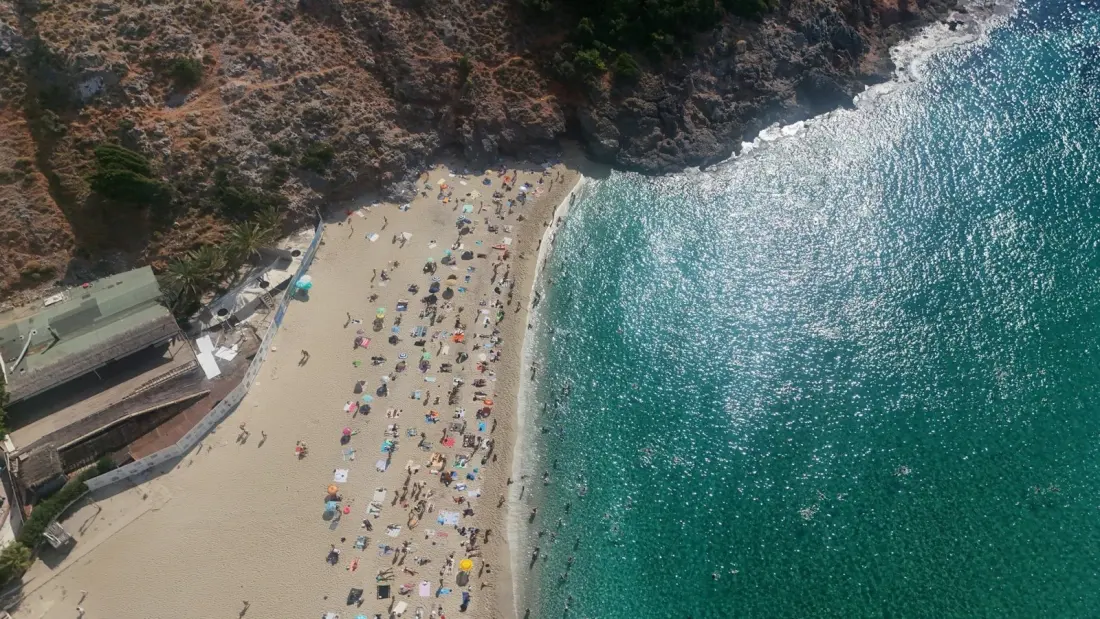
Antalya is still Türkiye's tourism powerhouse, even in a softer year. From January through September, the Mediterranean resort city welcomed 12.48 million international visitors, a dip of 5.6% compared with the same stretch last year, according to provincial tourism directorate figures. Add domestic travellers and the total climbs to 13.33 million.
Russia remains the engine. Nearly 3.3 million Russian tourists arrived over the nine months — a slight increase of 0.6% — and their share of the foreign total rose from 24.9% to 26.6%. In September alone, Russians made up a full 30% of all foreign arrivals. Germany and the United Kingdom, the other two pillars of Antalya's traditional top three, both fell: German visitors dropped 6.2% to about 2.53 million, while British arrivals slid 11.9% to 1.14 million. Romania posted the steepest percentage decline among the top ten, down 16.1%.
The more interesting story is who's growing. Hungary was up 12.8% to 137,454 visitors, Ukraine rose 5.8% to 385,317 to become the fifth-largest source market, and Uzbekistan surged 49% to 61,511 — a small base, but a striking jump. Between them, those three markets added a net 57,167 visitors. Poland lost ground over nine months but edged up 0.6% in September to 195,567, overtaking the UK as the third-biggest market that month. Kazakhstan's September arrivals also climbed 13.7%.
Timing matters in Antalya: July, August and September delivered 7.23 million foreign visitors, roughly 58% of the nine-month total, with August peaking at 2.52 million arrivals. September's figures — 2.19 million foreigners, 2.3 million including domestic tourists — actually narrowed the year-on-year decline, hinting the season is stretching later.
For holidaymakers, the practical read is this: Antalya remains well-served, busy and competitive, but the calendar is quietly rebalancing. The crush is heaviest in high summer, so September is emerging as a sweet spot — warm sea, full flight schedules and slightly thinner crowds than August. If you'd rather dodge the Russian and German school-holiday peaks entirely, look at May-June or October, when the weather is still beach-friendly and hotel rates soften. Travellers from newer markets such as Hungary, Ukraine and Uzbekistan are clearly finding the route easier, with more direct connections and package options likely to follow the demand. And with German and British numbers down, deals aimed at those markets may be more plentiful than usual — worth checking before booking.
Whether you're after all-inclusive resort life in Belek and Side, the old town and marina of Kaleiçi in Antalya city itself, or a base for day trips to ancient sites like Perge and Aspendos, the sheer scale of demand — nearly 12.5 million people in nine months — is a reminder to book accommodation and airport transfers early for peak dates.
Story based on reporting by Daily Sabah Travel.