The high-end holiday is changing shape, and the polar regions are where you can see it most clearly. Sam Seward, president of polar operator Quark Expeditions, told the Travel Trends Podcast that demand for expedition travel has shifted from simply getting somewhere remote to doing something specific once you're there — photography, kayaking, citizen science — and that travellers are committing earlier and paying more for the privilege.
The numbers behind the trend are telling. Antarctica trips are now booked further in advance than ever, with average booking values climbing, while the Arctic has traditionally attracted more last-minute decision-makers. Seward reads this as a sign of how high-value travel works now: people plan around a particular itinerary or experience rather than waiting for a discount or hoping something frees up. If you want a specific departure with a specific programme, you can't leave it late.
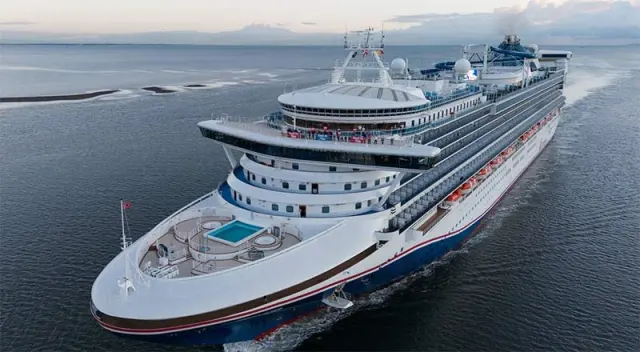
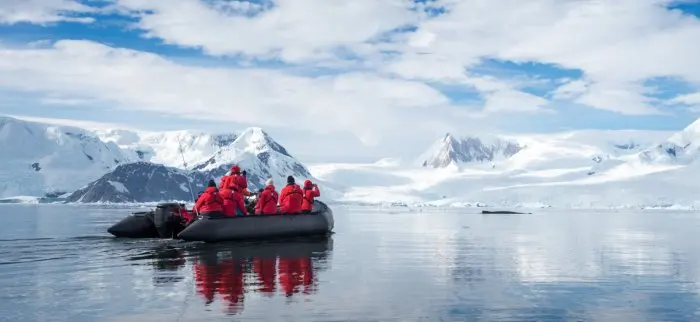
What separates expedition cruising from a regular cruise is the vessel size and the people on board. Small ships mean access to places big liners physically can't reach, and every landing is built around expert guides rather than entertainment schedules. Quark's Guided Photography Program, for instance, caps groups at 16 guests, pairing them with specialist photographers and Zodiac excursions designed around getting the shot. Alongside that, the company reports growing appetite for trips that blend exploration with education and conservation — counting penguins for real research projects, learning from onboard scientists, that kind of thing.
Seward's line on the appeal is blunt: people want something they can't do anywhere else. And while digital tools are creeping in — smoother logistics, better data on what guests actually want — he's firm that tech is there to support the experience, not replace it. The guides, scientists and crew are still the product. It's a useful reality check for an industry currently obsessed with AI, and a reminder that in the polar context, the human element is the thing you're paying for.
For travellers, the takeaway is practical. If Antarctica is on your list, treat it like a big-ticket purchase rather than a spontaneous trip: pick your departure and your focus (photography, kayaking, science-focused sailings fill differently), and book well ahead. Expect to pay a premium over conventional cruising, but also to get a fundamentally different kind of holiday — one where the destination sets the pace and the experts on board shape what you see. If you're more flexible, the Arctic remains the last-minute-friendly option, though that window may narrow as the same pattern spreads north.
The interview opens Season 8 of the Travel Trends Podcast, which launched on September 9 and will cover expedition, wellness, culinary and Indigenous travel alongside tech and distribution topics.
Story via Breaking Travel News.