
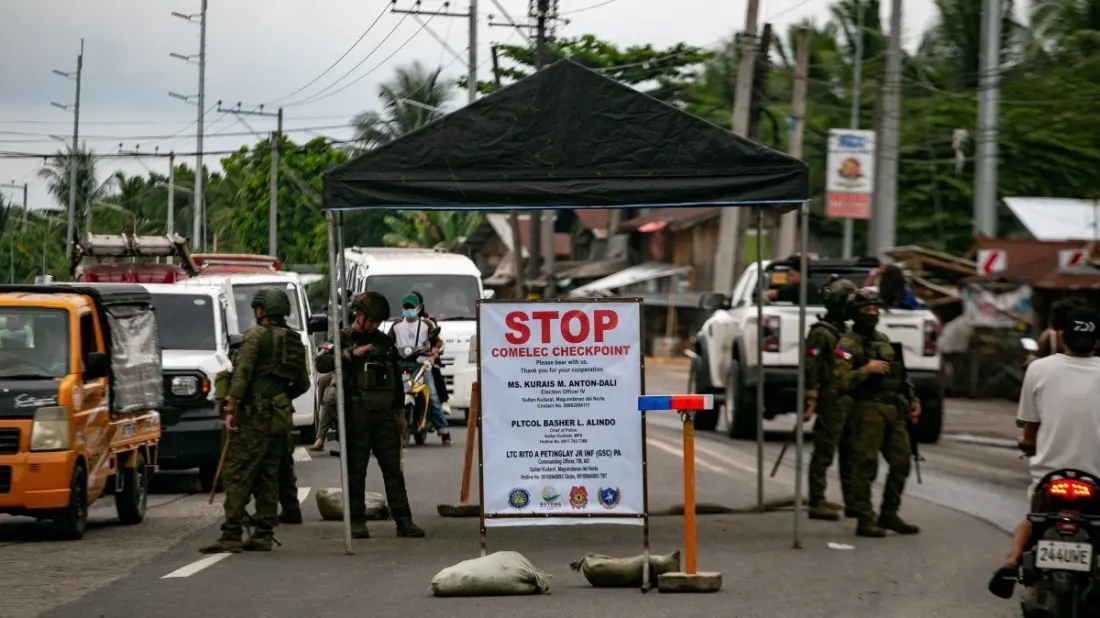
The southern Philippines just hit a political milestone. On Wednesday, officials finalised the results of the first-ever parliamentary elections in the Bangsamoro Autonomous Region in Muslim Mindanao (BARMM), a key step in the region's transition to self-rule after decades of conflict and autonomy negotiations.
The numbers were striking: more than 2 million people voted, with turnout at 84.34% — remarkable engagement for a region that has historically sat on the political sidelines. The new 80-seat parliament mixes 40 party-list representatives, 32 district representatives and eight sectoral seats reserved for groups like women, youth, ulama and indigenous communities.
The Bangsamoro Federalist Party, led by interim Chief Minister Abdulraof Macacua, came out on top, taking 16 party seats and 15 district seats. Its main rival, the United Bangsamoro Justice Party headed by former interim chief minister and Moro Islamic Liberation Front leader Murad Ebrahim, took 15 party and nine district seats. Notably, the Teduray and Lambangian indigenous communities chose their own representatives under customary laws — a detail that underlines how layered governance here has become.
Winning officials take office on October 30, when they'll also pick the region's next chief minister. That leader will shape how this transition period unfolds, including how the region courts investment, builds infrastructure and, eventually, presents itself to outsiders.
Why should a traveller care? Mindanao has long been the Philippines' least-visited big island, partly due to travel advisories tied to security concerns in parts of the south. A peaceful, orderly election with such high participation is another signal of the region's gradual stabilisation. BARMM holds some of the country's most distinctive culture — Marawi's Maranao heritage, Lake Lanao, Tawi-Tawi's remote islands and a food scene heavily influenced by Malay and Islamic traditions that sets it apart from the rest of the archipelago.
That said, this is politics, not a green light for travel. Advisories for parts of Mindanao remain in place in many Western countries, and anyone considering the region should check current government guidance, stick to calmer areas, and travel with local knowledge. For now, the election is best read as a positive long-run indicator for a part of the Philippines that may well open up to tourism over the coming decade.