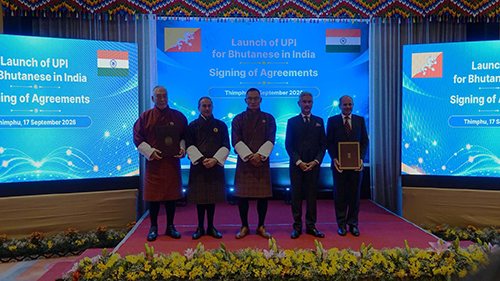
Paying for chai, taxi rides or market snacks in India just got a lot easier for Bhutanese visitors. On 17 September, the Royal Monetary Authority of Bhutan and NPCI International Payments Limited switched on the second phase of the Bhutan–India cross-border QR payment project, letting Bhutanese users pay at UPI-enabled merchants in India straight from their own mobile banking apps.
The new phase links Bhutan's National QR Code payment system with India's Unified Payments Interface, and the two sides now describe the arrangement as fully reciprocal — Indian visitors have been able to use UPI in Bhutan since the first phase, and now the flow works in both directions. Any bank or financial institution in Bhutan that supports UPI-enabled mobile payments can offer the service, so customers don't need a new app or a foreign card.
There are spending caps to be aware of. Each transaction is limited to INR 10,000, with a daily ceiling of INR 25,000 and an annual limit of INR 50,000. In practice, that means the system is aimed at everyday spending — meals, transport, shopping and small purchases — rather than big-ticket bills like hotel invoices.
To get started, users need to activate international UPI payments through their bank, with step-by-step instructions posted on the participating institutions' social media pages. Once enabled, paying works just like it does at home: scan the merchant's QR code, confirm the amount, and the money moves directly from a Bhutanese bank account in rupees.
For travellers, the appeal is obvious. India is Bhutan's most common outbound destination, whether for shopping trips to border towns like Phuentsholing's neighbour Jaigaon, medical visits, study or longer holidays, and until now that usually meant carrying cash or fussing with cards. Small vendors, taxi drivers and street-side businesses across India already display UPI QR codes, so the practical coverage is enormous — including plenty of merchants that don't take foreign cards at all.
The wider hope is that smoother payments will nudge tourism both ways and deepen economic ties. India remains Bhutan's dominant trading partner, and shared payment rails are a quiet but meaningful piece of that relationship.
If you're a Bhutanese traveller planning an India trip, check with your bank first to confirm your app supports the feature and note the transaction limits before you go. And if you're an Indian traveller heading the other way, the reciprocal arrangement means UPI QR payments already work widely in Bhutan — a rare example of two countries running a genuinely two-way digital payment bridge.