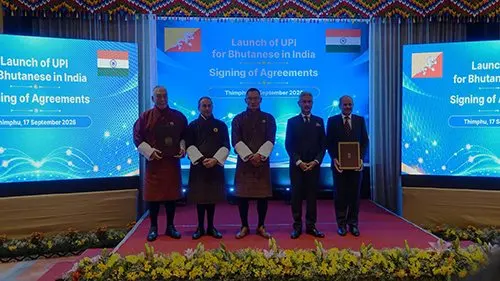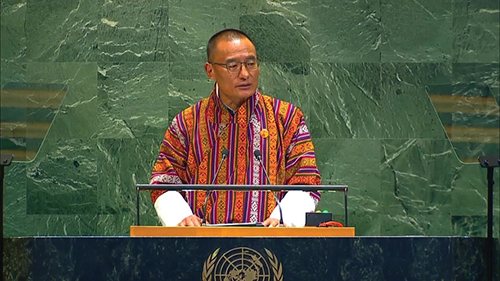
Bhutan's Prime Minister Dasho Tshering Tobgay heads to New York for the High-Level Week of the 81st UN General Assembly, running 22–28 September 2026. He'll address the General Debate on 22 September, laying out Bhutan's take on global issues, and spend the rest of the week in side meetings with partner governments, international organisations and businesses.
The interesting bit for travellers is what he's hosting on the sidelines. Alongside the UN Development Programme, Bhutan will convene the High-Level Meeting of the G-Zero Forum States — an international coalition of carbon-negative and carbon-neutral countries. There's also a meeting on renewing the global commitment to end poverty, run with UN ESCAP and the University of Oxford. A delegation of senior officials from the Prime Minister's Office and the Ministry of Foreign Affairs and External Trade accompanies him.
Why does a diplomatic week in New York matter to anyone planning a trip? Because Bhutan is the world's only carbon-negative country — its forests absorb more carbon than the whole nation emits — and protecting that status shapes how tourism works there. Visitors pay a Sustainable Development Fee (currently around USD 100 per person per night for most adults), which funds conservation, free healthcare and education. The G-Zero Forum, which Bhutan leads, pushes exactly this model: development that doesn't cost the planet.
In practical terms, that means a trip to Bhutan looks different from most of Asia. Independent backpacking isn't the done thing — most visitors book through licensed Bhutanese operators, travel with a guide, and follow set daily minimums depending on the season. In exchange you get something rare: pristine Himalayan forest, cliff-side monasteries like Paro Taktsang, fortress dzongs in Thimphu and Punakha, and a country actively managing visitor numbers rather than chasing mass tourism. When the Prime Minister stands up at the UN talking about carbon-negative development, it's a reminder that your Sustainable Development Fee is the mechanism behind all of it.
If Bhutan's brand of high-value, low-impact travel appeals, the UNGA headlines are a good prompt to start planning. Flights land at Paro, typically on Drukair or Bhutan Airlines from hubs like Delhi, Bangkok, Kathmandu or Singapore. The best windows for weather are spring (March–May) and autumn (September–November), when skies are clear and festivals such as Thimphu and Paro tshechu fill the calendar.