
The Asian Games were meant to be Japan's showcase weekend. Instead, hours before Saturday's opening in Nagoya and Aichi Prefecture, organizers were dealing with exhausted athletes, lodging complaints and a diplomatic spat.
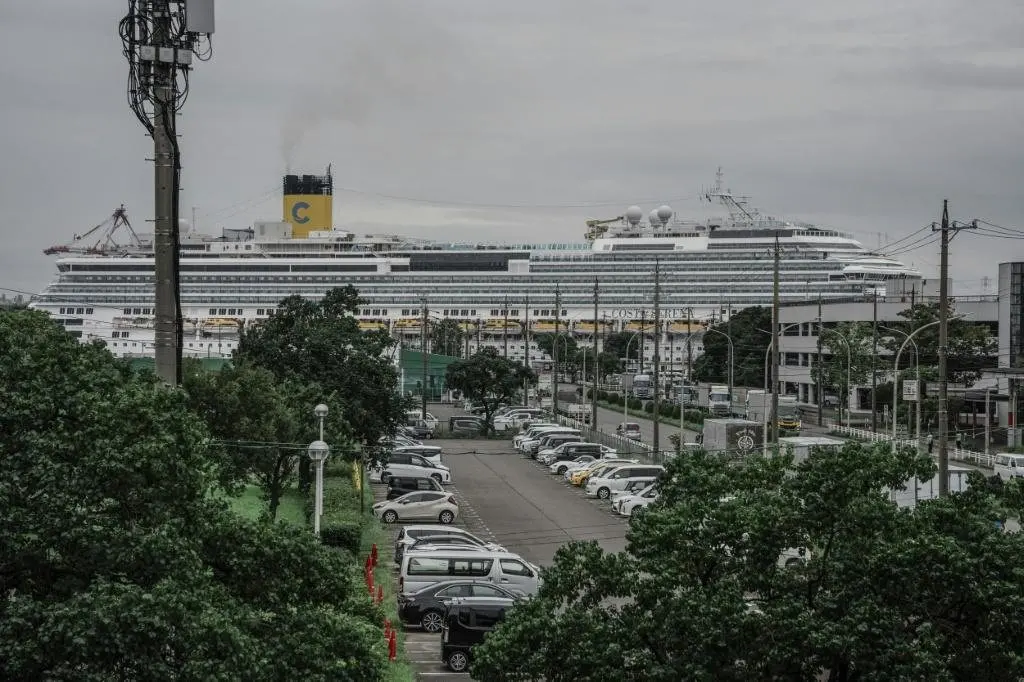
The biggest headache is accommodation. With more than 17,000 athletes and officials attending — a larger field than the Olympics — there was never going to be a traditional athletes' village. To keep costs down, competitors are being put up in hotels, temporary cabins and a cruise ship docked at Nagoya's port that will act as a floating hotel for around 4,000 participants. Organizers insist the setup is safe, cost-effective and comfortable, but some teams disagree, citing rooms in short supply and beds too short for taller athletes.
Arrivals were where things really unravelled. Chinese gymnast Zhang Boheng, a two-time world champion and Paris Olympics silver medallist, posted a widely shared video saying he waited six hours after landing, going from a 7 a.m. breakfast to nearly 7 p.m. before his next meal, thanks to registration backlogs. When his group finally reached the cruise ship, heavy rain stopped them boarding, so they booked a hotel themselves. China's consulate in Nagoya ended up driving the national badminton team around after shuttle bus failures, and the hashtag "Asian Games absurd" racked up over 94 million views on Weibo. South Korean athletes reportedly waited more than five hours at the airport, while India's chef de mission described long immigration queues but called it all teething problems now resolved.
Then came the warlord controversy. South Korea's Olympic committee filed a formal complaint after a welcoming ceremony featured a performer dressed as Toyotomi Hideyoshi — the 16th-century Japanese leader whose invasions of Korea in 1592-1598 remain a deep historical wound, especially given Japan's later colonial rule of the peninsula from 1910 to 1945. KSOC president Ryu Seung-min sent a letter to organizers and the Olympic Council of Asia demanding steps to prevent a repeat; as of Friday there had been no reply.
For travellers, the story is a useful reality check. Nagoya and Aichi are about to be packed with athletes, officials, media and fans, and the same transport bottlenecks and hotel shortages affecting the Games will ripple out to ordinary visitors. If you're heading to the region during the competition, book rooms well ahead, allow generous buffer time for airport transfers, and don't count on shuttle services or local transport tickets being easy to secure. The cruise ship in Nagoya's port area and the venues around Aichi will be the centres of attention, but expect queues. On the flip side, once the sport starts, this is a rare chance to see top-tier continental competition — including Olympic medallists like Zhang and table tennis star Sun Yingsha — in a part of Japan that rarely gets the global spotlight.
Story reported by AFP via Japan Today.