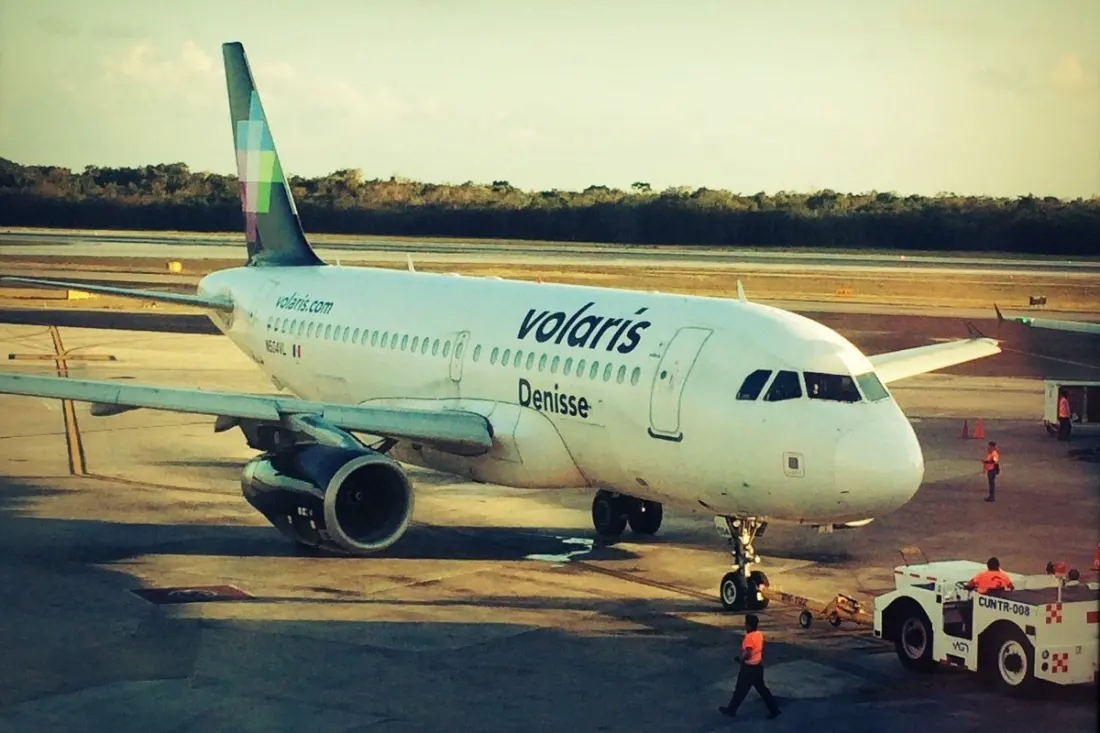
Flying around Mexico used to mean paying a premium or spending a night on a bus. That is changing. Low-cost carriers have been rolling out point-to-point domestic routes at fares locals and visitors simply have never seen before, breaking a decades-old pattern in which Mexicana and AeroMexico called the shots on domestic pricing.
For years the two nationalised airlines had a virtual monopoly inside Mexico, and critics long argued they propped up their competitive international routes by charging sky-high fares at home. Travellers had little choice but to pay up or take the bus. The market started shifting when Mexicana was sold in 2006 to Grupo Posadas, a leading Mexican travel consortium, which launched a cheaper subsidiary called Click Mexicana with lower web-only fares aimed squarely at the budget carriers. State-owned AeroMexico, meanwhile, has yet to respond with a low-cost offer of its own.
The bigger picture is an airport network in flux. Mexico City's main airport has just had its second expansion in a decade, and a new second terminal is now under construction to handle demand for the next 50 years. Rather than let everything funnel through the capital, authorities are actively decentralising traffic: regional airports within driving distance of Mexico City — Toluca, Cuernavaca and Puebla — are being upgraded, and Guadalajara, Monterrey and Cancun are lined up for expansion too.
New air agreements with the United States are part of the story as well. More direct US routes are expected to Mexico's most popular resorts such as Los Cabos and Puerto Vallarta, but also to less-visited southern regions like Chiapas and Campeche — places that were hard to reach not because flights didn't exist, but because getting there cost too much.
Why does this matter for travellers? First, money: domestic fares are falling as competition builds, and momentum has picked up noticeably in recent months after a slow couple of years. Second, access: regions with plenty to offer but no affordable way in are now on the map for international visitors, not just locals. Cheaper connections also tend to bring new investment, trade and jobs to those communities — which usually means better tourism infrastructure follows.
If your Mexico trip has always been Cancun-plus-a-long-bus-ride, it may be time to look again. Hopping a budget flight from the capital to Oaxaca, the Caribbean coast or the colonial north is becoming a realistic, affordable way to see more of the country in one trip — and the airports you land at are only getting better.