The Living Planet Report 2026, published by WWF and the Zoological Society of London, delivers a sobering headline: monitored wildlife populations have shrunk by an average of 73% over the past 52 years. Yet buried in the data is a genuinely encouraging story — and it plays out largely in Colombia.
The report's Living Planet Index draws on 35,803 population trends across 5,790 vertebrate species from 1970 to 2022, and the numbers are heaviest in freshwater ecosystems (down 85%) and Latin America and the Caribbean overall, which recorded a 95% decline — the steepest of any region. Habitat loss, overexploitation, climate change, pollution and invasive species are the main culprits.
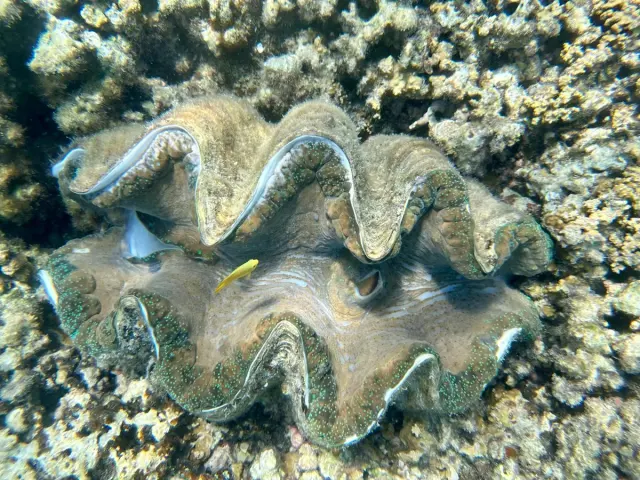
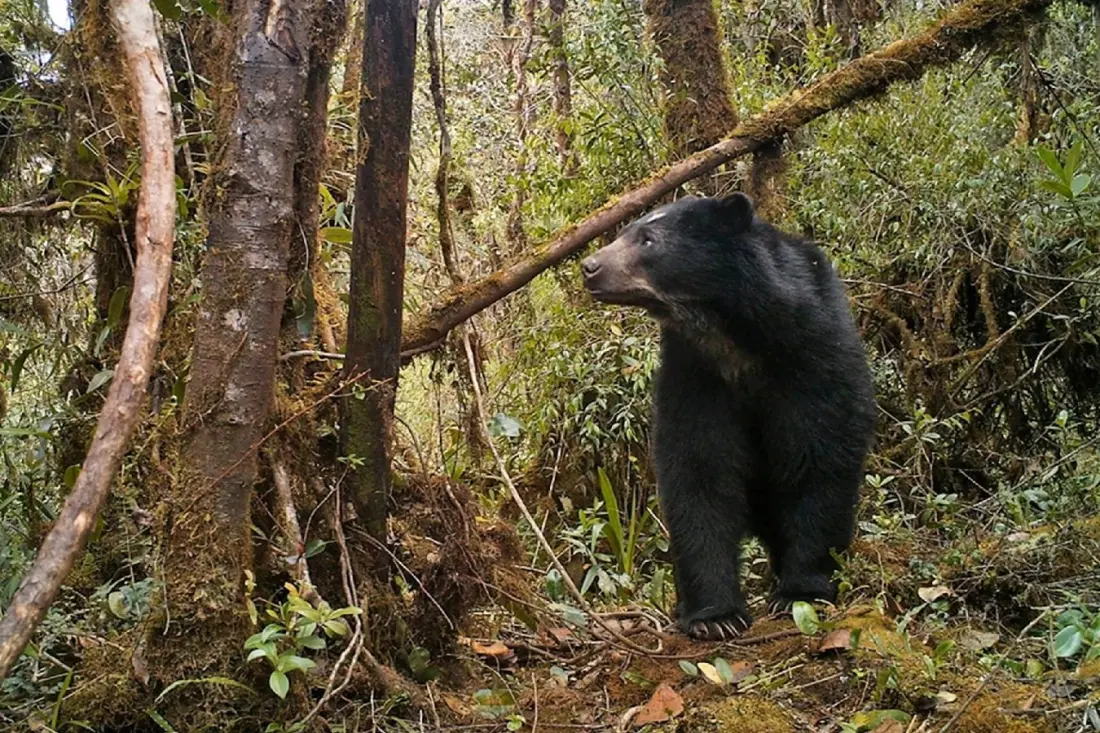
So why is Colombia the good-news story? Bluefin tuna populations in both the country's Pacific and Atlantic waters have recovered significantly, credited to fishing quotas, monitoring programmes and sustainability campaigns. In 2025 the green sea turtle became the first sea turtle species downgraded from Endangered to Least Concern on the IUCN Red List. Beyond the headline species, the report points to mangrove restoration along Colombia's Pacific and Caribbean coasts, Andean bears back in the mountain ranges, and jaguars holding on in Caquetá. Half of all populations tracked worldwide are stable or growing — proof that targeted conservation actually works.
For travellers, this matters in practical terms. Wildlife-watching in Colombia is getting better, not worse: bear tracking in the Andes, jaguar territory in the Amazonian south, turtle nesting seasons on Caribbean beaches, and thriving mangrove estuaries on both coastlines that support birds, fish and boat-based tours. Recovery of these species means real odds of encountering them — the kind of ecotourism that, when done responsibly, funds the very protection keeping these animals around.
The report also frames the bigger picture: three systems — food, energy and finance — drive most biodiversity loss. On the upside, solar is now the cheapest new electricity source in most countries, and sustainable food production is showing early progress, though a $1.3 trillion annual financing gap remains. WWF Colombia's conservation director Carlos Mauricio Herrera argues that science-based, accelerated action can still reverse the crisis. For a destination like Colombia — one of the most biodiverse countries on Earth — that reversal is not an abstraction. It is the product visitors come to see.
For anyone planning a trip built around nature, Colombia right now offers something rare: a country where conservation news is worth celebrating, and where your presence as an eco-tourist can be part of the reason it stays that way.