
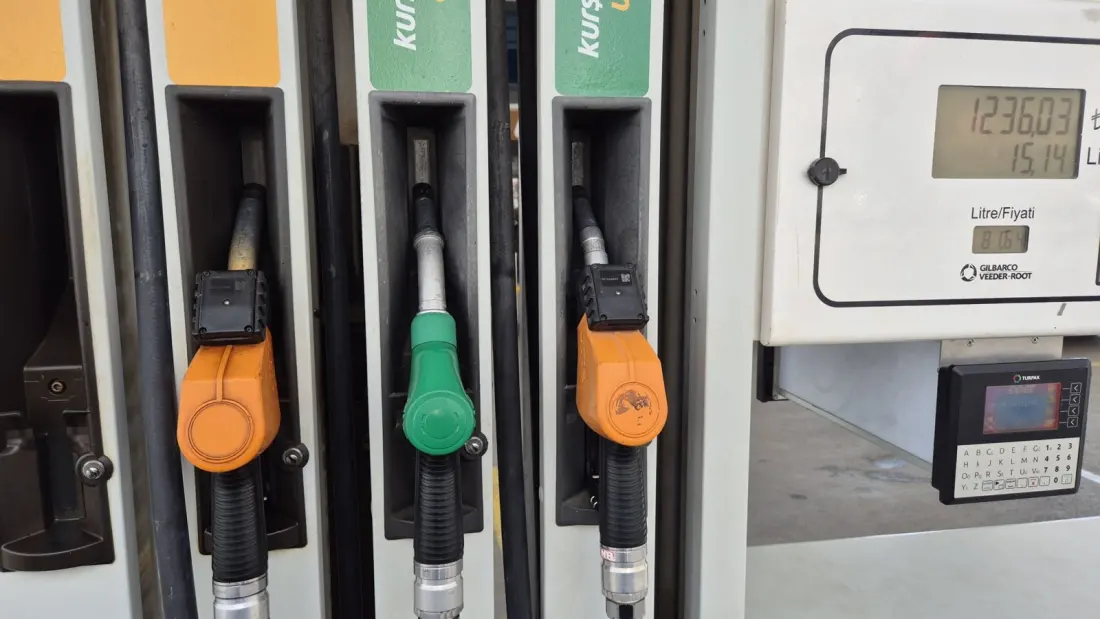
Filling up a hire car in Türkiye just got a lot pricier. Diesel hit a record Tuesday, climbing to roughly TL 95-97 per litre (just under $2) in Istanbul, Ankara and Izmir — and industry sources say a further TL 2.5-3 jump could push at least one fuel product past TL 100 per litre in 45 provinces as early as the next day. For the first time, pump prices in Türkiye's biggest cities would flirt with the symbolic triple-digit mark.
The spike isn't happening in isolation. Brent crude briefly topped $105 a barrel (touching $108.43 in Tuesday trading), with both international and US benchmarks crossing $100 for the first time in months. The report ties the pressure to the Middle East war squeezing supplies and Ukrainian strikes on Russian refineries, compounded by the Turkish lira's volatility.
The numbers tell a stark story: diesel sold for around TL 54.40 a litre in September 2025, so prices have jumped roughly 76% in a year. Since the US and Israel struck Iran in late February — when diesel sat at about TL 60.30 — costs are up nearly 60%.
There's a tax angle too. Türkiye scrapped its special consumption tax on diesel through August to cushion consumers, but reinstated it this month. The tax now climbs by TL 3 each month until January 1, returning it to around TL 13.1 per litre. Diesel has also been removed from the sliding-scale adjustment system that capped how fast prices could rise; gasoline and LPG stay in it until October 1, when the whole mechanism is abolished. In short, the brakes are off.
Why should holidaymakers care? Diesel drives Türkiye's freight and delivery networks, so haulage costs tend to feed straight into the price of food, restaurant meals and tours — expect everyday travel spending to creep up alongside pump prices. If you're planning a self-drive itinerary along the Turquoise Coast or through Cappadocia, budget noticeably more for fuel than you would have even a few months ago: a full 60-litre tank now costs roughly TL 5,700-5,800, versus around TL 3,300 a year ago. Inflation-worn travellers may find intercity coaches and domestic flights comparatively attractive, since those fares adjust more slowly than road transport costs.
Worth watching: whether authorities announce fresh measures to blunt the rise, and how gasoline and LPG prices move once the sliding-scale system disappears in October.