
El Niño has officially arrived. On 10 June, Japan's Meteorological Agency became the first major national forecaster to confirm the phenomenon, saying unusually warm water had been sitting in the equatorial Pacific since spring. Sea surface temperatures in its key monitoring zone were already 1.2°C above normal in May, and Japan expects the event to last at least through the northern autumn. Other agencies are close behind: the World Meteorological Organisation puts the odds of El Niño developing at 80% for June to August, rising past 90% by autumn, while NOAA gives it a 96% chance of persisting into winter.
Why the fuss? Some models hint this could become a rare "super" event — when Pacific temperatures climb roughly 2°C above average, something that happens only about once a decade and has historically brought droughts, floods and fires to several continents at once. The WMO's secretary-general has urged governments to prepare, and UN chief António Guterres warned El Niño would "pour fuel on the fire of a warming world". The 2024 event helped push that year to record global heat, and forecasters are already watching to see whether 2027 challenges those records.
So what does it mean for trips? Effects vary wildly by destination, and not all are bad. Southeast Asia — Bali, Indonesia and neighbours — may see a drier, sunnier dry season at first, though deepening drought raises the risk of forest and peatland fires whose smoke can drift over Singapore and Malaysia, as happened in 2015. East Africa's October-to-December short rains may be heavier, turning safari landscapes lush and green but leaving roads muddy and remote airstrips waterlogged. Southern Africa could run hotter and drier — good for spotting wildlife at shrinking waterholes, less good if drought takes hold and the Zambezi's flow over Victoria Falls eventually thins. Coral reefs are a real concern too: more than 80% of the world's reef area was recently hit by the worst bleaching event on record, and fresh Pacific warming could stress them again before they recover.
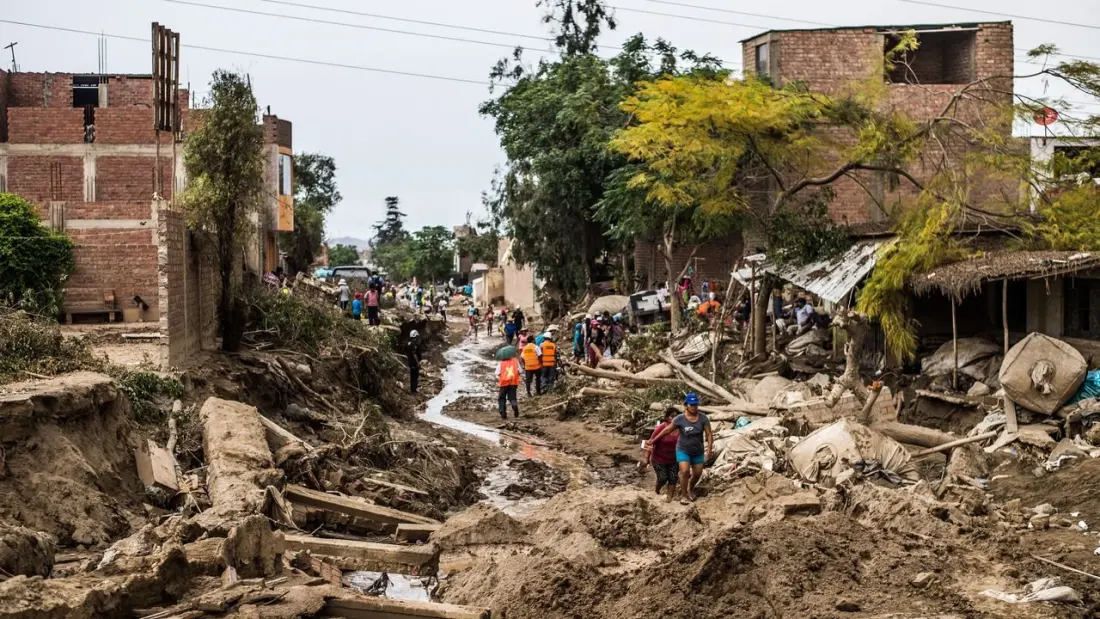
Elsewhere, the news can actually be favourable. The Caribbean may see a quieter hurricane season, California's ski resorts often score bumper snowfall, and Europe could buck the usual pattern with a warmer-than-normal autumn and winter, building into spring 2027 — though the UK has been warned of more extreme winter weather in 2027. South America faces the sharpest risks: heavy rain and flooding in Peru and Ecuador from around October, remembering the 2024 El Niño contributed to floods in southern Brazil that killed more than 180 people and displaced some 600,000.
Timing matters for travellers. The system typically peaks between November and February, with knock-on effects running into the following summer — so winter-sun bookings to Southeast Asia, Indian Ocean islands and the Pacific, plus dry-season safaris, are the itineraries most likely to be affected. None of this should cancel a trip outright, but it's worth booking flexible rates, keeping an eye on forecasts as the season approaches, and checking conditions at reef, safari and volcano destinations before you commit. The next 18 months could be anything but ordinary weather-wise.