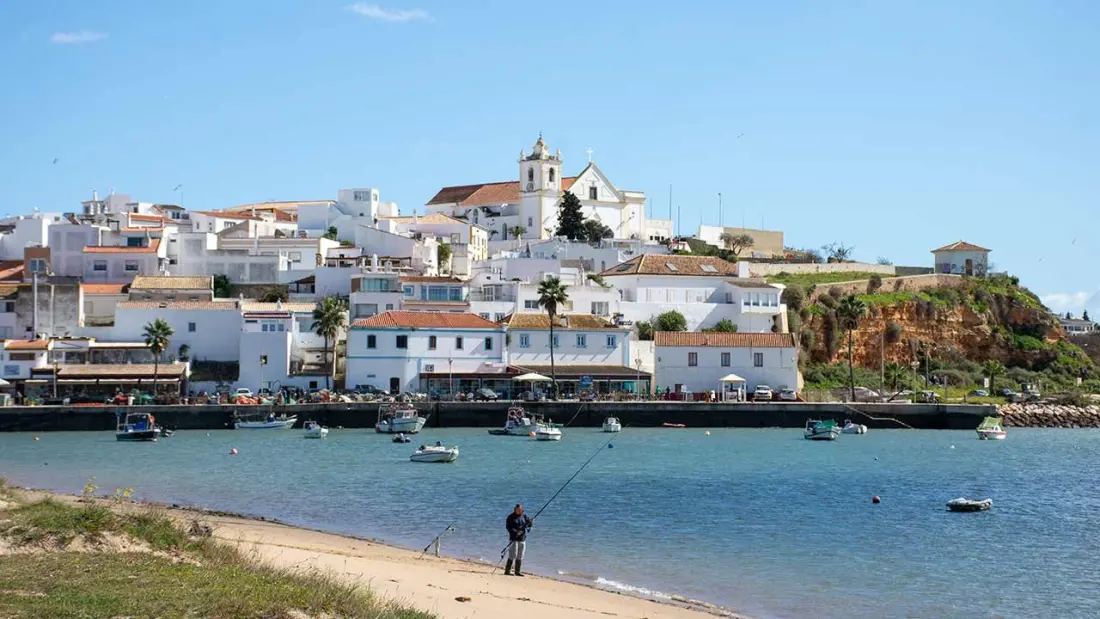
Ferragudo, the small fishing town across the river from Portimão, is gearing up for an evening of big questions. On Friday, October 30, the town's Parish Assembly Room will host 'The Future of the Algarve/Portugal', a bilingual debate designed to get locals and expats talking about where the region — and the country — is headed.
The event is a joint effort between Ferragudo parish council president Luís Alberto and Jack Soifer, an international business consultant who will lead the discussion. Soifer brings a hefty CV: four decades of experience as an investor and entrepreneur across 12 countries, plus roughly 30 years of living in Portugal. That mix of local authority and long-term foreign perspective is exactly the point — the debate will run in both Portuguese and English, so neither side of Ferragudo's community is left out of the conversation.
Unlike a typical panel presentation, organisers are framing this as open dialogue. Attendees are expected to swap viewpoints, ask questions and pitch their own ideas about the challenges and opportunities facing the Algarve. For anyone who has ever wondered how tourism, development and daily life collide in Portugal's most visited region — or who simply wants a window into what full-time residents, both Portuguese and foreign, actually think about it — this is a rare, unfiltered chance to listen in.
Practicalities are simple but tight. The debate starts at 7pm on October 30, held in the Parish Assembly Room on the first floor of the municipal market, with entrance via Rua Vasco da Gama. Capacity is capped at just 50 people, and organisers recommend reserving ahead by email if you want a seat. Given Ferragudo's size, expect it to fill up.
Why should a traveller care? Ferragudo itself is one of the Algarve's quieter charms — a working fishing village with cobbled streets, a pretty riverside square and far fewer tour buses than its neighbours. If you're in the area in late October, the debate doubles as a genuinely local experience: an evening hearing how residents picture their region's future, in a town most visitors only glimpse from the other side of the Arade river. And shoulder-season Algarve is a pleasure in its own right, with mild weather, empty beaches and restaurants serving locals rather than queues.
Even if you can't snag one of the 50 spots, the event is a reminder that the Algarve is more than its resort strip — it's a place where communities are actively wrestling with what comes next, and travellers who take an interest tend to get a warmer, more interesting welcome for it. Check availability early if you're planning to attend, and arrive with a question of your own; the whole idea is participation.