
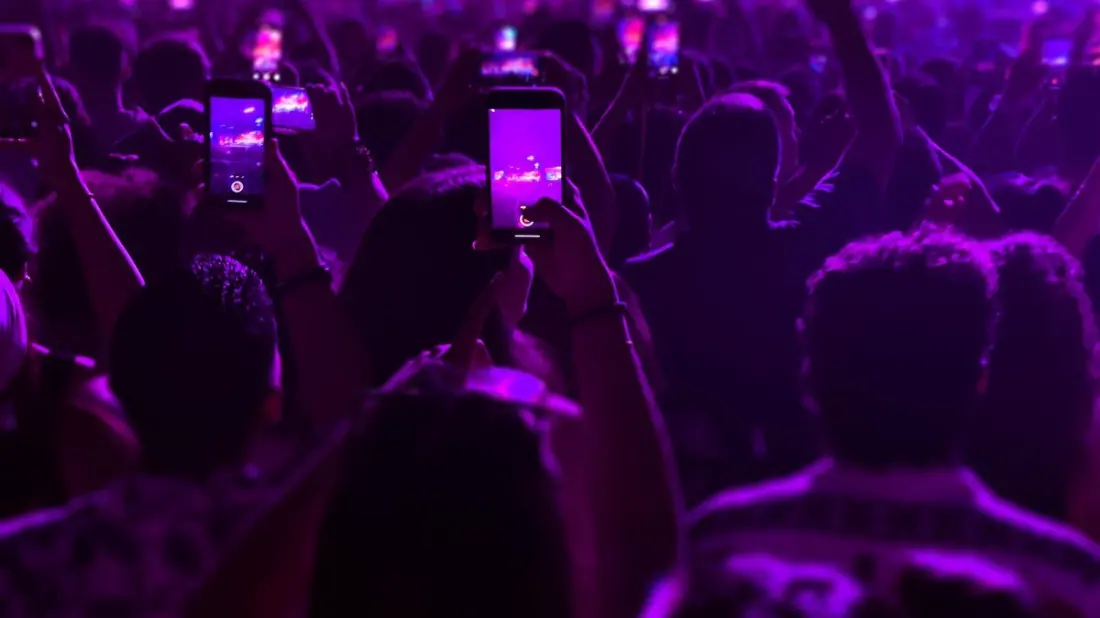
A piece by clinical psychologist Şeyma Koçak Bin Siraj in Daily Sabah Travel argues that FOMO — the fear of missing out — has quietly evolved. It's no longer just about skipping a party or an event; it's a background anxiety about missing life itself, and it can show up precisely when you're meant to be relaxing, like on a beach with patchy Wi-Fi.
The mechanics are familiar to anyone who has refreshed Instagram from a sun lounger. Cut off from your feeds and group chats — even for a perfectly good reason such as a holiday — you feel restless and uneasy. The instinct is to scroll more, message more, check more. That soothes the anxiety briefly, then deepens the dependence, and the cycle repeats. FOMO isn't classified as a disorder in the DSM-5, the writer notes, but intense episodes can open the door to ones.
Where does it show up in real life? Saying yes to invitations when you're exhausted, cramming three plans into one evening and enjoying none of them properly, booking the café or the trip everyone's posting about rather than the one you actually want, or maxing out a credit card chasing sales. The phone becomes what Bin Siraj calls a third arm — hours lost to Reels or Facebook feeds.
The interesting part is her breakdown of six underlying triggers, drawn from clinical practice: fear of making mistakes, habitually putting your own needs last, low self-worth, an inability to tolerate being alone, suppressing your authentic preferences, and a general predisposition to anxiety. Each needs a different fix. Perfectionists, she suggests, should stop hunting for the "best" option and settle for "good enough" — pick two or three criteria, review the first five options that meet them, decide, done. Endless comparison doesn't reduce risk; it just freezes you. People-pleasers should spend six months asking daily what they actually feel and need. Those with low self-esteem can list their years of uncelebrated achievements and finally acknowledge them. The lonely-intolerant can practise deliberate solitude — noticing what comes up when nobody's around. The inauthentic can add personal twists to their choices, from coffee orders to holiday destinations, instead of defaulting to what everyone else is doing. And the anxious should invest in three or four deep friendships rather than fifty shallow ones; close bonds release oxytocin, which helps regulate the nervous system.
Why should a traveller care? Because holidays are supposed to be the antidote to FOMO, yet they often trigger it hardest. The trip you picked because it was trending, the itinerary crammed to stop yourself feeling like you missed a sight, the guilt of being offline — all classic FOMO behaviour. Her central takeaway is oddly liberating for travel planning: choosing the trip that's right for you, not the one performing best on your feed, is what actually prevents the feeling of having missed out. And if none of the self-help approaches shift it, she recommends professional support — a route she says has helped many people, herself included.