
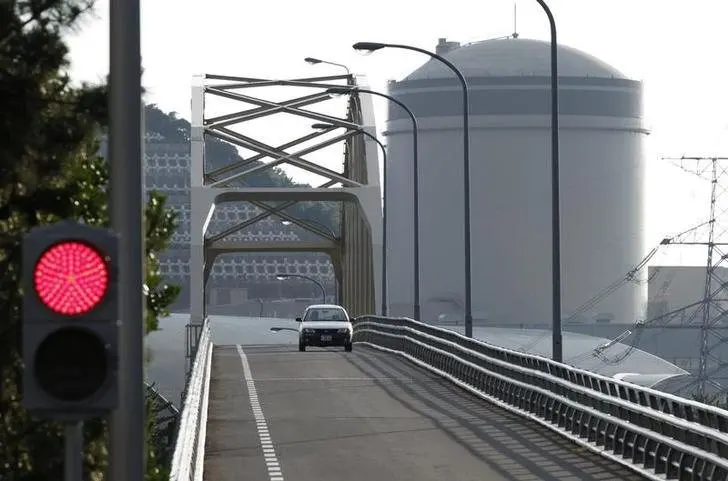
Kansai Electric Power switched off the No. 3 reactor at the Mihama nuclear plant in Fukui Prefecture early Friday morning, shortly after 4 a.m., after inspectors spotted water dripping from insulation around piping. The utility says the water came from equipment that carries no radioactive material, and neither the company nor the Fukui prefectural government has detected abnormal radiation levels in the surrounding area. Workers had begun idling the reactor on Thursday afternoon to investigate.
The timing is awkward for the utility. This is the second unplanned shutdown in months: in May, steam escaped from a damaged cap on the high-pressure turbine, forcing another manual shutdown. The unit went into regular inspections early in June and had only been restarted on September 12 before this latest problem emerged.
Mihama is no spring chicken. In December, the No. 3 unit marks 50 years since it first began operating, making it one of Japan's oldest running reactors. The plant's two older units are already being decommissioned. The facility sits on the Sea of Japan coast in Fukui Prefecture, a stretch of shoreline that hosts a heavy concentration of the country's nuclear infrastructure.
For visitors, the immediate takeaway is simple: there is no radiation issue in the area and no travel disruption connected to the shutdown. Fukui remains open for business — and it is a genuinely underrated corner of Japan. The prefecture is famous for its hand-cut Echizen soba noodles, the ancient Eiheiji Zen monastery, dramatic Tojinbo cliffs, and some of the best crab fishing grounds in the country, with the winter crab season drawing food lovers from Osaka and Kyoto. The plant's troubles do not affect any of that.
The story does matter to travellers in a broader sense, though. Japan's post-Fukushima debate about restarting ageing reactors has direct implications for the country's energy security — and, indirectly, for everything from summer air-conditioning strain to regional tourism economics in prefectures like Fukui that host these facilities. Each unplanned shutdown at a legacy plant adds fuel to that conversation, and the No. 3 unit's 50th birthday in December will land right in the middle of it.
If you have a trip to the Hokuriku region on the horizon, treat this as background noise rather than a red flag. Trains along the coast run normally, and there are no advisories in place. Keep an eye on local news only if you have specific concerns; otherwise, plan your itinerary around the seafood and temple trails rather than the reactor headlines.
Story reported by Japan Today (Kyodo).