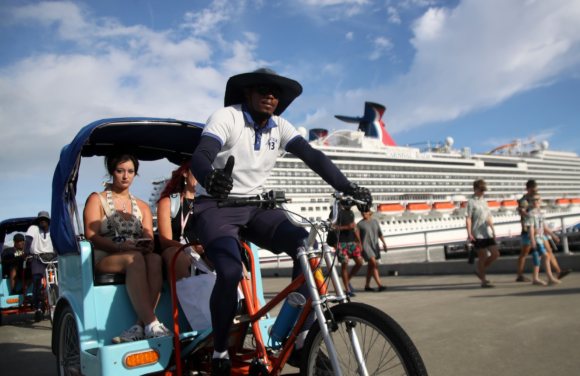
Four cruise liners docked in the Dominican Republic in a single day, delivering 16,287 passengers and a tidy boost to two very different corners of the country.
The bigger story unfolded on the North Coast, where Puerto Plata handled three ships at once across its two terminals, Amber Cove and Taíno Bay. Carnival's Mardi Gras and Carnival Magic, plus Virgin Voyages' Resilient Lady, brought 12,206 passengers between them. At an estimated US$100 per head, that single day is worth roughly US$1.2 million to local restaurants, shops and tour operators.
Down south, meanwhile, Freedom of the Seas sailed into Cabo Rojo in Pedernales on September 30, arriving from Willemstad, Curaçao with 4,081 passengers and 1,392 crew. This matters more than one ship call might suggest: Cabo Rojo is a relatively new port, and the Dominican Republic is deliberately steering cruise traffic beyond the well-worn northern and eastern circuits into the under-visited far southwest, a region known for raw coastline, Bahía de las Águilas and jaragua national park's wild scenery.
The Dominican Port Authority, whose executive director Alejandro Campos flagged the day as proof of the country's momentum, is clearly pushing two messages: the ports can handle simultaneous mega-ship arrivals, and the cruise map is widening. For travellers, that means more itinerary options — Puerto Plata for a mix of beach, colonial history and the cable car up Pico Isabel de Torres, and Pedernales for a day that feels genuinely off the beaten track compared with the usual Caribbean calls.
If you're cruise-curious, both ports are increasingly easy to reach via mainstream lines. Carnival sails to Amber Cove and Taíno Bay regularly from US homeports, and Royal Caribbean's Freedom-class ships are routing through the southern port from Curaçao-based itineraries. For land-based travellers, Puerto Plata's airport at Pop makes the North Coast an easy add-on, while Pedernales remains a longer haul — but that's precisely its appeal.