
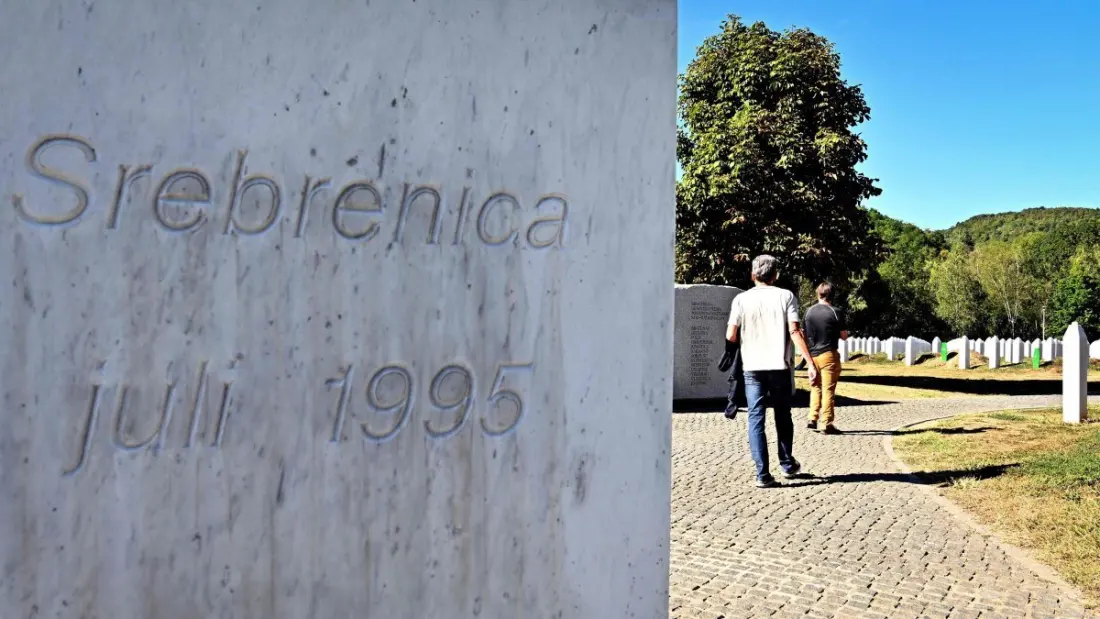
Ratko Mladic, the former Bosnian Serb general convicted of genocide for Srebrenica, was buried in early September 2026 with public honours that drew international condemnation, including from Türkiye, and prompted the EU to threaten suspending Serbia's accession talks. For travellers, the episode is a stark reminder that the war of the 1990s is not a closed chapter in the western Balkans — it is a living, contested memory that you will encounter on the ground.
The op-ed traces how Tito's Yugoslavia papered over ethnic tensions with its 'brotherhood and unity' slogan, a freeze rather than a fix that shattered when the economy collapsed in the 1980s. Nationalist leaders, notably Slobodan Milosevic, then dredged up the 1389 Battle of Kosovo to cast neighbours as ancestral enemies. The result was a campaign the author describes as double erasure: killing men and boys in Sarajevo and Srebrenica to break a people's future, while burning libraries, mosques and bridges to erase their cultural trace.
Bosnian Croats participated in the same logic. In 1993-94, after breaking their alliance with Bosniaks, they shelled Mostar's Old Bridge — not a military target, but an Ottoman-era symbol they wanted wiped from the city's memory. Against this, Alija Izetbegovic emerges in the piece as a leader who fought without retaliating against civilians, then accepted the bitter compromise of the Dayton Accords in 1995 to end the bloodshed.
Why does this matter to visitors? Because the places where these events happened are now the region's most meaningful stops. Sarajevo's streets still carry mortar-scar marks known as Sarajevo Roses. Srebrenica's memorial and cemetery at Potočari honours the more than 8,000 victims of the July 1995 genocide. Mostar's Stari Most was rebuilt and reopened in 2004 precisely as an act of defiance against cultural erasure — walking it is part of the story. Museums and memorial centres in Bosnia have pushed to criminalise genocide denial and protect historical truth from political manipulation, and the article argues memory-work is the only safeguard against repetition.
The author's broader point is that glorifying war criminals signals unresolved, not settled, conflict — and that Serbia, and societies across the region, face the task of raising generations who can acknowledge crimes without inheriting collective guilt. For a traveller, that translates into a simple approach: visit with curiosity and respect, take a guided tour led by locals who lived through the siege or the war, and treat memorials as places of mourning rather than photo backdrops. Bosnia is welcoming, affordable and safe to visit, but it rewards travellers who understand that its streets, bridges and mosques are not just sights — they are arguments about memory, still being had in public.