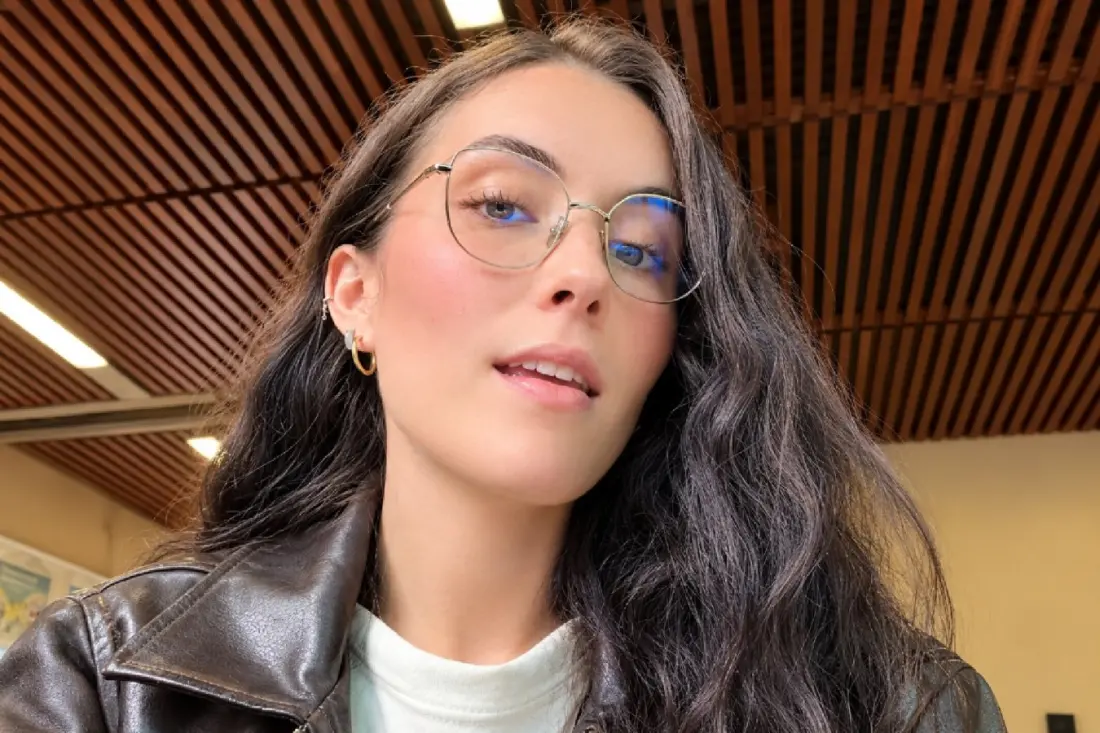
Solveig Drexel had planned to move to Mexico. Instead, a Christmas invitation to Bogota rerouted her entire life. One year on, the Paris-born lawyer — who also carries German roots through her father — is chasing a Colombian work visa and a legal career in the capital, after falling hard for a country she'd only meant to visit.
Her route to Colombia was winding. She started learning Spanish solo during the pandemic, then, while finishing her law degree in France, sought an exchange year in a country where French or German wasn't spoken. Peru was the original pick, but a Colombian friend she'd met in Paris asked her to spend Christmas with her family in Bogota. That trip did it. She came back the following May for her birthday, started job-hunting in Bogota and Medellin, and relocated for good in September 2025. Now she lives in Chapinero and counts Teusaquillo as her favourite corner of the capital.
Drexel has also become an unlikely ambassador for changua, the milky Bogota breakfast soup made with eggs, onion, coriander and cheese, often served with almojabana or bread. She didn't even know it was divisive among Colombians when she tried it at her friend's mother's house — she simply loved it. She even fainted once mid-bowl, though the soup turned out to be innocent. Her only culinary defeat is ripe plantain, a lifelong banana aversion; fried patacones, however, get a pass.
Culturally, the biggest adjustment was Colombian social arithmetic. In France, a plan with one person means one person. In Colombia, a coffee can balloon into an event with cousins, friends and neighbours. Once she stopped trying to apply French logic, she found the openness genuinely warming. Her Spanish has crept so deep that it now shows up in her dreams, and translating emotion into a second language has been the hardest, most rewarding part of the move.
Professionally, she's working out how to validate her French law degree in Colombia — a paperwork-heavy process involving translations and apostilles, though bilateral agreements between the two countries may help — alongside a work visa that would let her practise for Colombian employers.
She hasn't stayed put in Bogota, either. Medellin, Cartagena, Santa Marta, Tayrona, Minca, Tolu and the Coffee Region are all on her list, and what struck her most was Colombians' resilience. She's even converted her own parents: her mother called her first long-haul trip a dream, and her German father fell for the country too.
Why does this matter to travellers? Because Drexel's story is a useful real-world test case for anyone toying with a longer stay in Colombia — not just a two-week holiday. It shows a clear path exists: enter as a visitor, build local connections, then pursue degree validation and a work visa. And her advice is a good packing-list item for any trip: don't judge the differences, try to understand them. Accept the expanding dinner invitations, order the changua, and Bogota might surprise you too.