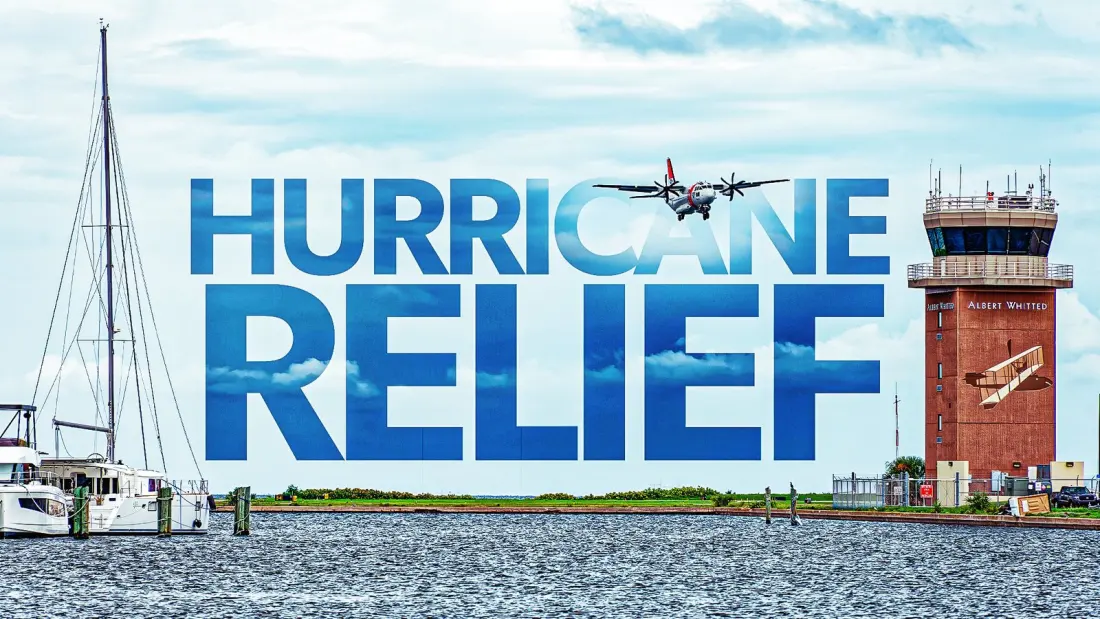
Albert Whitted Airport (SPG) doesn't look like much. Two short runways — the longest just 3,676 feet — sit on a strip beside downtown St. Petersburg, Florida, serving flight schools, sightseeing flights and light business aviation. Yet when hurricanes knock out roads, bridges and ports across Florida and the Caribbean, this little reliever airport becomes one of the region's most effective launch pads for disaster relief.
The airport itself hasn't changed. What changed is the network built around it. Sol Relief, a nonprofit founded by St. Petersburg pilot Jennifer Lockwood after the brutal 2017 season that brought Hurricanes Irma and Maria, turned the local general aviation community into a coordinated relief machine. Since then, the airport community has raised more than $2 million and supported over 100 emergency flights, plus long-term recovery work including more than 160 roof repairs, four rebuilt homes and two community centers.
The maths of why it works is simple. After a storm, runways often survive even when highways don't. Aircraft like the Pilatus PC-12 turboprop, which can carry around 1,800 pounds of cargo from SPG's short runway, can reach most of Florida within hours and much of the Caribbean with one fuel stop. During Hurricane Ian, when Interstate 75 was closed, Sol Relief's Harris Ambush told St. Pete Catalyst that a drive from St. Petersburg to Fort Myers could take seven or eight hours — the same trip by air took about 40 minutes. In that first week after Ian, the organisation flew 38 missions carrying firefighters to Southwest Florida.
Scale comes from people, not pavement. Sol Relief can grow from a core of roughly 30 people to more than 400 during a major response, drawing on the pilots, mechanics and flight schools already based at the airport. Because it fundraises ahead of storm season, flights can get airborne within 24 to 48 hours of a disaster. The model has been tested beyond Ian, with operations in Florida's Big Bend, Fort Myers and Abaco in the Bahamas.
There's an obvious flaw, though: the hub sits in hurricane country itself. When Hurricanes Helene and Milton hit the St. Petersburg area within two weeks in 2024, hangars and aircraft at the airport took damage — yet Sol Relief still distributed more than $140,000 in supplies and ran a $46,400 microgrant programme helping 21 families.
For travellers, this is a reminder that small general aviation airports punch far above their weight, and that the communities around them are often the first responders when a paradise destination gets hit. If you fly into or around the Caribbean and Florida during storm season, the recovery effort you'll see is often powered by volunteers like these.