A couple planning a 19-day honeymoon across Croatia and Slovenia asked a simple question online: would €400 in cash be enough? The answers, from dozens of recent visitors, paint a useful picture of how money actually works on the ground in Croatia in 2025.
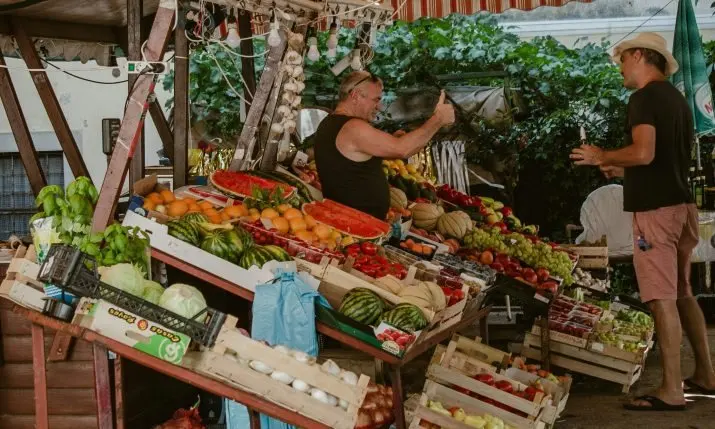
The short version: cards go a long way. Plenty of travellers reported barely touching their cash at all. One spent 16 days in the country with €400 and came home with €100 still in their pocket. Another got through a month-long stay on just €100 because accommodation was already paid. A visitor who spent a week hitting Zagreb, Zadar, Split and Šibenik said the only places that demanded cash were local and farmers' markets.
But the picture changes once you leave the main tourist circuit. Several travellers ran into restaurants, boat tours, market stalls, food trucks and small shops that were cash-only. Čiovo, an island near Trogir, was called out specifically for restaurants that wouldn't take cards, and one visitor needed cash for a boat tour leaving from Split. Small stuff adds up too — ice cream, street food, souvenirs, tips, and the coins you'll want for public toilets.
The consensus advice: don't carry a big stash for the whole trip. ATMs are everywhere in Croatia, so most people suggest withdrawing as you go. The catch is ATM fees — several commenters warned about independent machines with hefty withdrawal and conversion charges, so it's worth checking your bank's terms and sticking to bank-affiliated machines where you can.
For travellers, the takeaway is straightforward. If your hotels, transport and big tickets are prepaid and you'll mostly eat in restaurants, a reserve of around €400 for two people is a sensible buffer — some visitors barely used a third of that. If your itinerary leans towards markets, smaller towns, boat trips and family-run spots, bump that up a little. Croatia is increasingly a card-friendly country, but it hasn't quite finished the job, and a modest pile of kuna-era euros will save you an awkward moment at a cash-only konoba on Čiovo.
Story via Croatia Week.