Hurricane Isaias came ashore near Destin, Florida on Friday night as a Category 2 storm with sustained winds of 103 mph, becoming the first hurricane of the Atlantic season and the first to make US landfall since Hurricane Milton in 2024. Two people were killed and close to 900,000 homes and businesses across the South lost electricity.
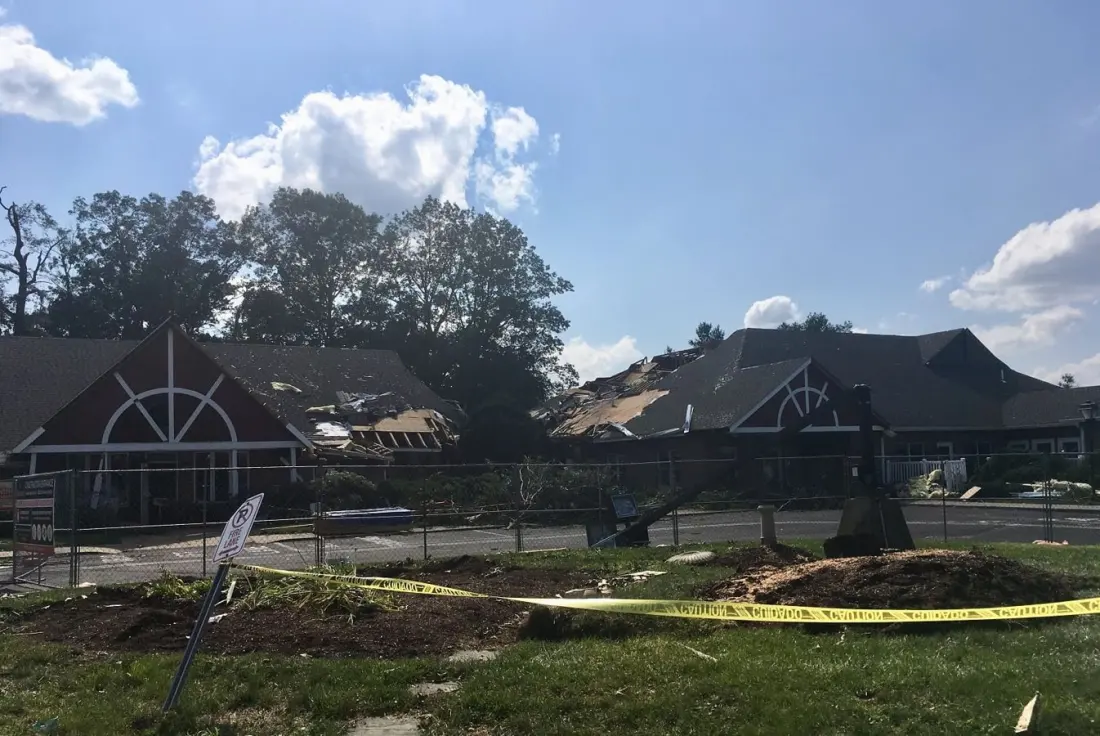
The worst of the immediate damage hit Florida's northwestern Gulf coast. In Escambia County, a woman died when a wind-toppled tree crushed her home, according to Sheriff Chip Simmons. A second death was reported in Jefferson County, Alabama. By Saturday morning the National Hurricane Center had downgraded Isaias to a post-tropical cyclone as it moved across Alabama, but weakened winds did not mean the danger was over.
Power restoration emerged as the biggest challenge. Florida counted roughly 440,000 customers in the dark, Alabama more than 310,000, and thousands more lost service in Georgia as the system pushed inland. In Pensacola, about 50 miles west of Destin, crews battled fallen trees on distribution lines while officials warned residents to stay clear of downed wires and blocked roads.
The rain may prove as disruptive as the wind. Forecasters projected 4 to 8 inches across northwestern Florida, southern Alabama and Georgia, and Governor Ron DeSantis cautioned that water levels could keep rising through the weekend. Both Florida and Alabama declared states of emergency. The storm also briefly halted some Gulf of Mexico oil and gas production, with several offshore facilities evacuating staff.
For anyone with a trip planned to the Florida Panhandle or the wider Gulf region in the coming days, expect disrupted conditions: flooded roads, lingering outages and cleanup operations around Destin, Pensacola and inland towards Montgomery and Atlanta. Airlines typically issue travel waivers after storms like this, so check with your carrier before flying and monitor local emergency guidance. Even after a hurricane dissipates, flash flooding and debris can make popular beach towns difficult to navigate for days or weeks. If you're travelling to the US Southeast this season, it's a timely reminder to keep an eye on Atlantic forecasts between June and November and build flexibility into coastal itineraries.