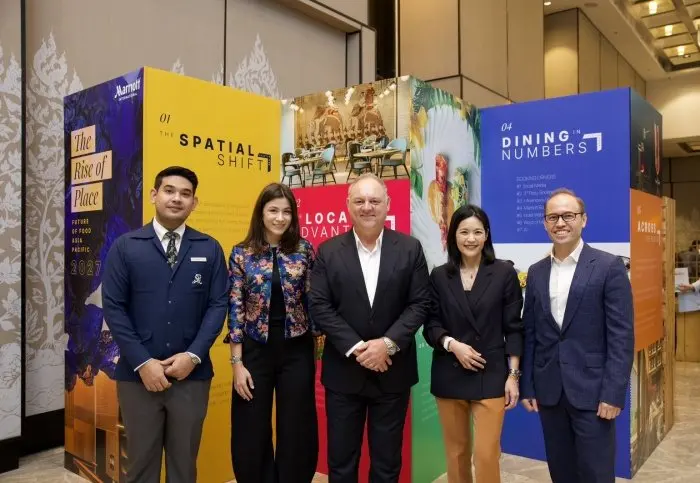
Marriott International has published Future of Food 2027, a report on food and drink trends across Asia Pacific (excluding China), built on interviews with chefs, hospitality figures and data from its own properties. The headline finding: place now matters more than anything. Hyper-local food, relaxed social spaces and shorter meals are reshaping how hotel dining works across the region.
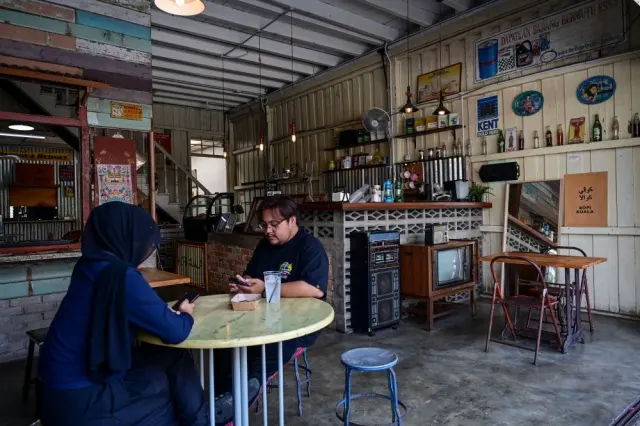
The numbers back it up. 95% of surveyed properties say demand for authentic local signature dishes is the biggest trend in their market — outweighing even value for money. Four in five hotels added new local ingredients over the past year, from Kyoto vegetables in Japan to Kampot sea salt in Cambodia, and at Hearth at The Ritz-Carlton in Perth a signature Wagin duck dish puts Western Australian produce front and centre. India (71%) and Indonesia (67%) show especially strong appetite for local cuisine.
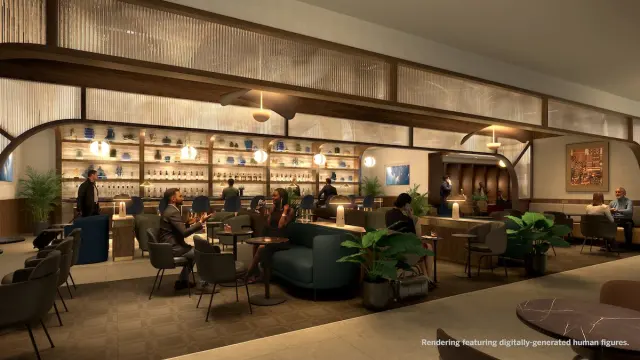
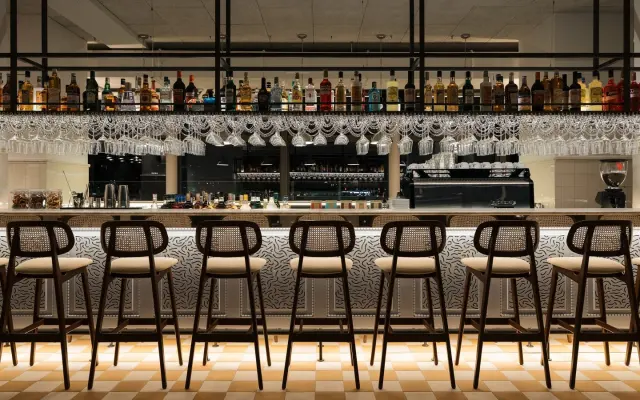
The setting is changing too. The classic formal restaurant is giving way to lounges, bars, counters and outdoor spaces — nearly half of properties report growing demand for these casual venues, with new concepts favouring intimate 40-60 seat rooms. Vietnam is the standout: 71% of surveyed properties there report growth in bar and lounge dining. Technology is quietly powering the shift, with AI handling menu development, marketing and staffing — every restaurant and bar surveyed in Thailand already uses it in some form.
Fine dining is also getting a time makeover. Forget four-hour, ten-course tasting menus: 58% of properties now say the average fine dining experience runs 1.5 to 2 hours, with up to five punchy courses. Singapore leads the fast lane — 85% of restaurants there finish in about 1.5 hours — while some venues in South Korea and the Philippines have cut courses or gone à la carte.
Other shifts worth knowing about: 97% of surveyed Marriott properties now serve dishes linked to health and longevity, wellness is creeping into mini-bars and turndown rituals, and Marriott is launching an APEC Plant-Forward Program in 2027 — one of the first global hotel groups to make plant-forward dining permanent at operational level. Low- and no-alcohol drinks are booming too, with 42% of surveyed venues reporting rising sales of non-alcoholic options.
For travellers, this is genuinely useful intel. If you're booking a hotel stay in Bangkok, Singapore, Tokyo or Ho Chi Minh City over the next couple of years, expect dining that leans into the destination — local ingredients on the menu and in your cocktail, dinner in a buzzy lounge rather than a hushed dining room, and tasting menus you can actually get through on a weeknight. It also means hotel restaurants are increasingly worth leaving your room for, not just falling back on. The report's broader point is one frequent visitors to the region will recognise: Asia Pacific's food scene is drifting away from global templates and towards experiences that could only exist where they are.