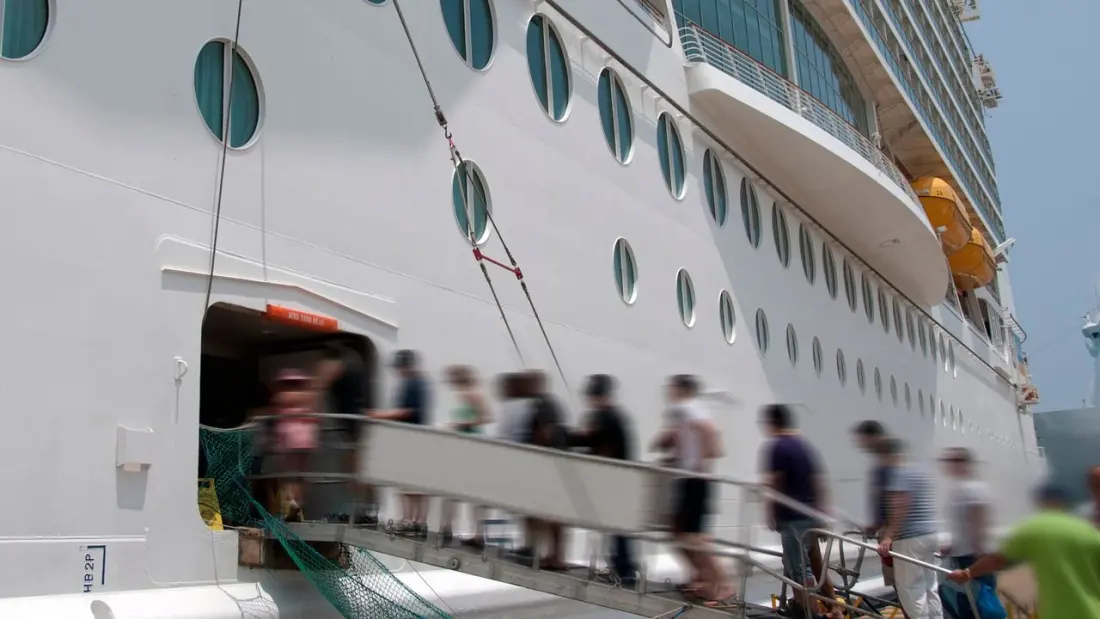
Every cruise port has an 'all aboard' time, and it's enforced more strictly than most passengers realise. Cruise lines book fixed docking slots that port authorities hold them to, so ships genuinely do sail without stragglers. Whether you're covered when that happens usually comes down to one question: did you book your day ashore through the cruise line?
If you're on an official shore excursion, you're in good shape. Carnival, Royal Caribbean and Norwegian Cruise Line all guarantee the ship will wait for delayed line-organised tours, and if it can't, they'll arrange and pay for you to catch up at the next port. Strike out on your own, though, and the terms and conditions flip: you're responsible for every cost of rejoining the ship, wherever it is in the world.
Independent explorers aren't doomed — they just need discipline. Tell any private guide your ship's cutoff time and build a buffer into the plan. Set an alarm for when you need to turn around. Be extra conservative in small or remote ports, where flights and ferries to the ship's next stop may be scarce. And always carry your travel insurance card plus a major credit card when you step off the boat.
There's also the pre-cruise version of this nightmare: a delayed flight means you never board at all. Travel specialists suggest flying into your departure city at least two days early. Royal Caribbean runs an Emergency Travel Team that can sometimes get late arrivals to the next port with the right documentation — but if you bought your own airfare independently, expect to foot the bill yourself unless you also bought the line's insurance package.
If it does happen, don't panic. Crew routinely leave missed passengers' passports with port agents specifically so they can cross borders and rejoin the ship later. Head to the port agent first — every line has one — then call your insurance provider's 24-hour assistance line. Two benefits matter here: 'missed connection' cover, built for exactly this kind of catch-up scenario, and 'travel delay' cover, which can reimburse rebooking costs plus meals and accommodation after delays of roughly 3-12 hours. Check your credit card too, since many include travel insurance when you use the card to pay. And if you haven't bought any cover yet, you can purchase a policy right up until the day before departure and still be fully protected.
The practical takeaway: note the all aboard time before you leave the ship (it's announced over loudspeakers, printed in the daily newsletter and posted by the gangway), book excursions through the line if you want a safety net, arrive at your embarkation city early, and carry your passport, insurance details and a credit card ashore. Missing a ship is stressful, but it's rarely the holiday-ending disaster people fear — mostly it's an expensive detour that good planning and decent insurance turn into a minor annoyance.
Reporting via Condé Nast Traveler.