
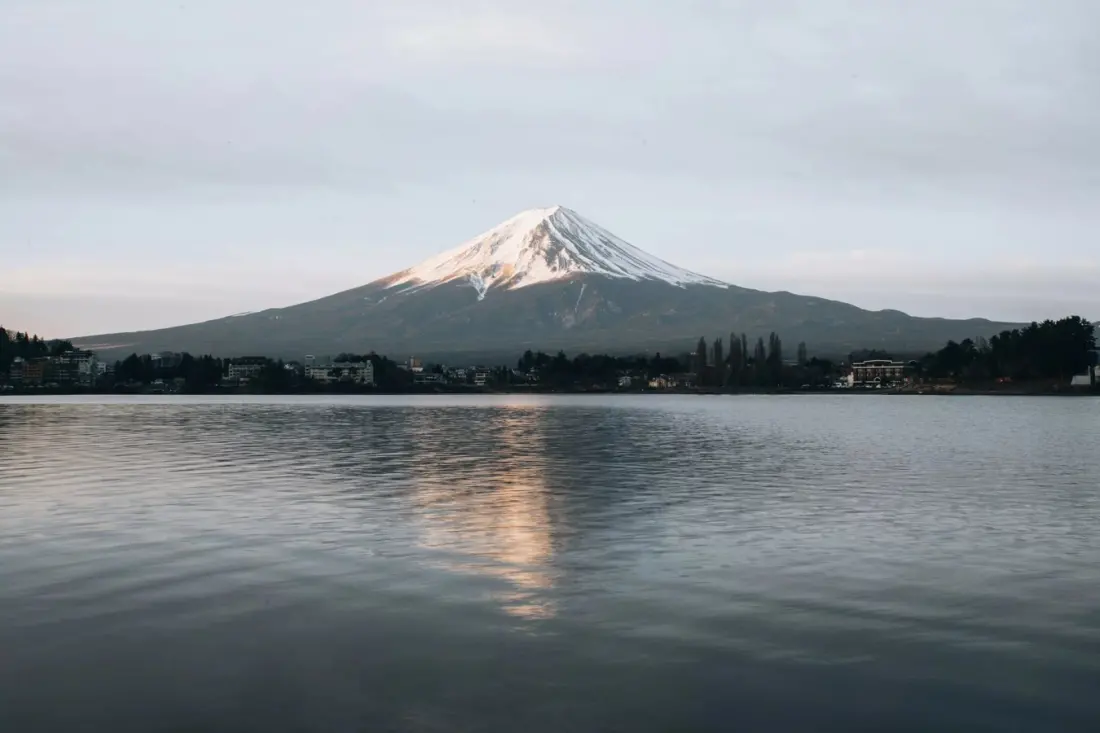
Getting stranded on Mount Fuji in the wrong month is about to hit the wallet as well as the nerves. From next year, Yamanashi Prefecture — which governs the mountain's northern side — plans to charge climbers for helicopter rescues if they get into trouble during the off-season. It's part of a wider push to deter people from attempting Japan's most famous peak when conditions are harsh and the usual support network is shut down.
Alongside the rescue fee, off-season climbers will have to submit detailed plans before setting off. The model being considered mirrors a system already running in neighbouring Saitama Prefecture, where helicopter rescues in certain mountain areas cost 8,000 yen (roughly R840) for every five minutes. Yamanashi hasn't finalised its own pricing, but that gives a sense of how quickly a rescue bill could climb. Governor Kotaro Nagasaki has also publicly urged people to think hard before an off-season attempt.
The official climbing season runs from July to early September, and that narrow window exists for good reason. Outside it, most mountain huts and toilet facilities close, temperatures drop and trails become significantly tougher. Climbers are technically allowed to ascend as far as the fifth of Fuji's ten stations in the off-season, but going higher is strongly discouraged. Authorities say they've seen a rise in unplanned climbs, with some hikers ending up stranded — a problem amplified by Fuji's sheer popularity: around 200,000 people attempt the summit each official season.
Yamanashi isn't acting alone. Shizuoka Prefecture, which manages the southern side, is taking a different route: it plans to penalise climbers who fail to register their attempts and to step up enforcement in restricted areas, though it hasn't announced a rescue fee. The tactics differ, but the message from both prefectures is the same — Fuji in the off-season is not just a quieter version of the summer climb.
For travellers, the takeaway is simple. If you want to climb Mount Fuji, do it between July and early September, when huts, transport and rescue infrastructure are all running. If you're set on a shoulder-season visit, stick to the lower slopes and the surrounding lakes and viewpoints — and be aware that from next year, a rescue may come with a meter running.