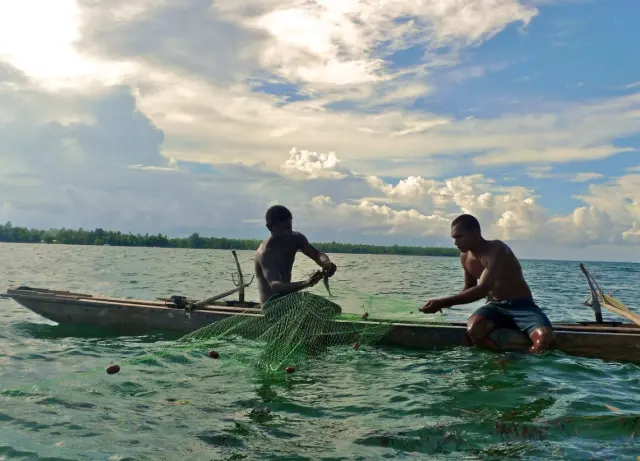
Nauru — called Naoero in its own language — is the smallest republic on earth, a lone raised coral atlock in the Pacific with a population of around 12,000 and a history that punches far above its size. A recent feature from Islands Business, 'The whispers of the seas', follows Donald Apad, a Nauruan who learned to read the ocean as a child through his grandfather's teachings. The piece frames the island's story as one of resilience: a culture shaped by the sea, passed down through generations despite the pressures of a rapidly changing world.
That framing matters because Nauru has had a bruising modern history. Rich phosphate deposits made it one of the wealthiest nations per capita in the 1970s, and mining stripped roughly four-fifths of the island's interior, leaving a jagged, unearthly limestone plateau known locally as Topside. The phosphate ran low, the trust fund dwindled, and the island has spent decades reinventing itself — now looking to offshore wind potential, fisheries and, controversially, deep-sea mining as it plots a future.
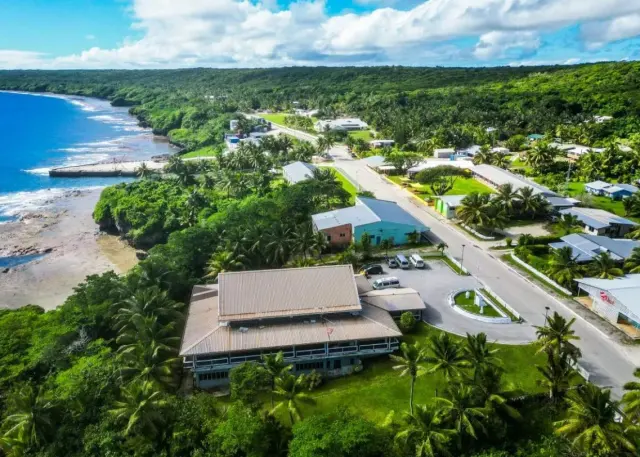
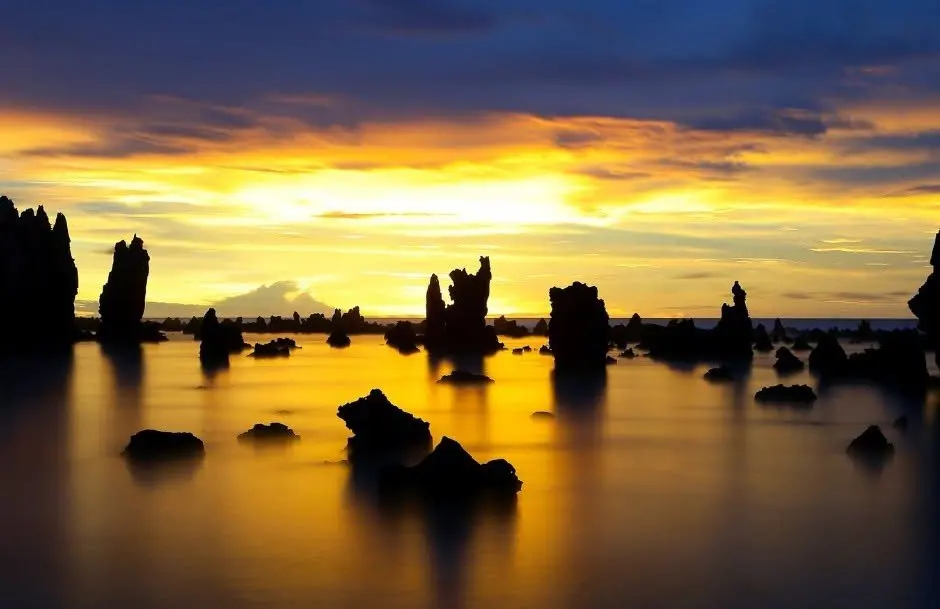
For travellers, though, Nauru offers something almost nowhere else does: a genuinely off-grid Pacific experience. There are no large resorts, no tour buses, no crowds. The 19-mile ring road circles the island, so you can walk or cycle the whole country in a day. Highlights include Anibare Bay, with its rugged coral pinnacles and decent surf, Buada Lagoon, a rare patch of inland green, and Command Ridge, where WWII Japanese guns still overlook the sea. The limestone pinnacles of Topside are eerie and photogenic, especially at golden hour.
Nauru's culture is built around the ocean — fishing, family plots by the shore, and oral traditions like the ones Apad describes. Visitors who time a trip around local events, or simply linger over a meal with locals, will hear those stories first-hand. English and Nauruan are both official languages, and the island's small size means you'll likely meet the same faces twice.
Is it for everyone? No. Flights are infrequent — Nauru Airlines connects the island to Brisbane, and to a handful of Pacific hubs — and facilities are basic. But for travellers chasing the world's least-visited corners (Nauru regularly competes with Tuvalu for that title), it delivers a raw, honest slice of Micronesia, plus a first-hand look at what resilience really looks like on a small island.
Story via Islands Business.