Filling up in Iceland just got noticeably more expensive. Over the past month, petrol prices have climbed by as much as ISK 50 per litre, and the motoring organisation FÍB says drivers are paying far more now than at the end of August.
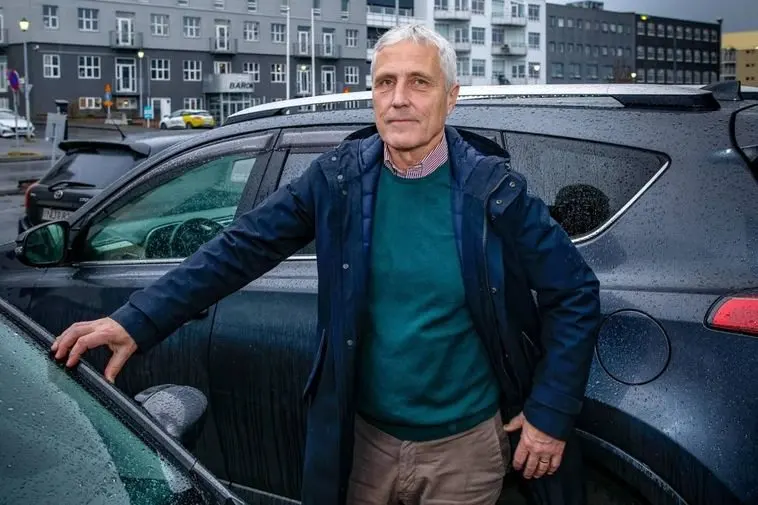
Runólfur Ólafsson, who heads the Icelandic Automobile Association, breaks the surge into three parts. Global fossil fuel prices are up. The government restored the full VAT rate on fuel on 1 September, which alone added around ISK 25 to the average litre. And oil companies have lifted their own mark-ups by a further ISK 23 to 24 in many cases. Iceland had briefly cut VAT on fuel on 1 May specifically to soften the blow of rising world oil prices — and Ólafsson argues the case for keeping that cut is stronger now than it was then.
There is more pain coming at the turn of the year: the per-kilometre road charge is set to rise by 15 to 16%, a hike Ólafsson calls hard to justify when it outpaces inflation by a wide margin. He is blunt about the government's role — Iceland cannot control global oil markets, but it does control taxation, and raising taxes while prices climb is, in his words, adding fuel to the fire.
Businesses are feeling it too. Þjótandi, one of Iceland's larger earthworks contractors, reports extra fuel costs running into millions of krónur every month, and says those costs will feed into future bids on non-indexed projects.
For travellers, the practical takeaway is simple: if you are renting a car in Iceland — still the best way to reach waterfalls, hot springs and the Ring Road — budget more for fuel than you would have even in summer. A campervan or self-drive itinerary that looked affordable in August will now cost meaningfully more at the pump, and the road-charge increase arriving in January will nudge costs up again. Expect the squeeze to be felt most on long routes in the countryside where there is no alternative to driving, and remember that prices can vary between stations, so it pays to fill up where you spot a good rate rather than running the tank low.