
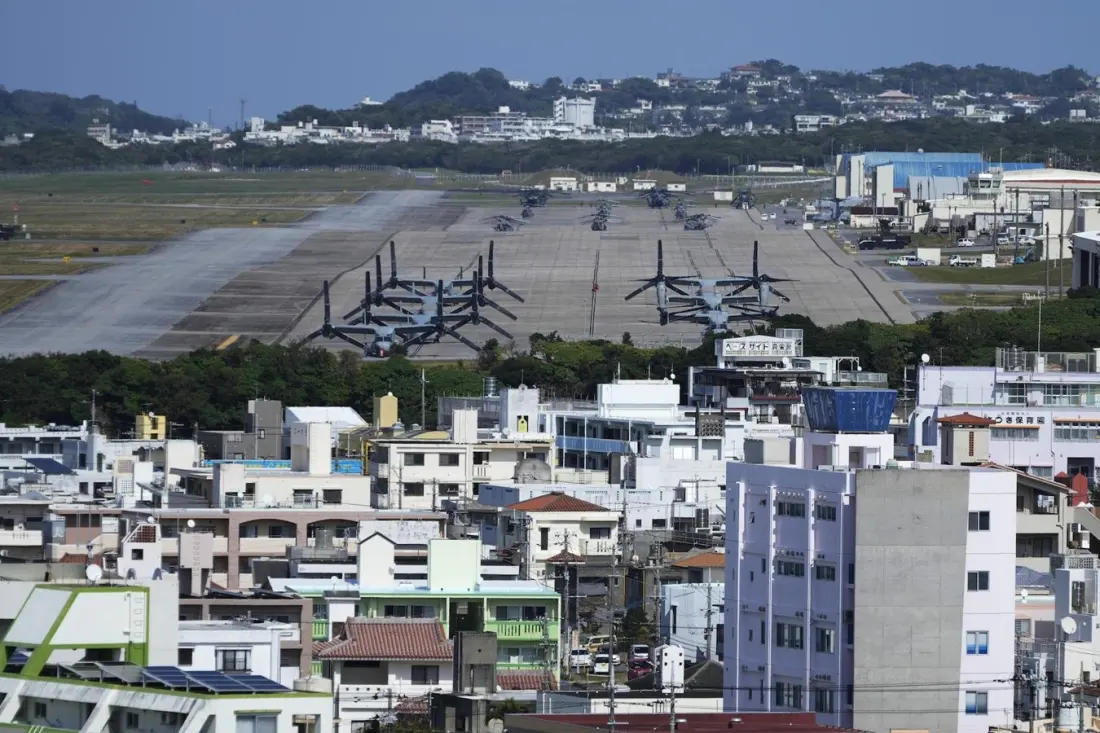
Okinawa has a new governor, and for the first time in 12 years he's someone who supports the controversial relocation of a US military base. Genta Koja, a 42-year-old former deputy mayor of Naha, defeated incumbent Denny Tamaki in Sunday's election, and the result could reshape how Japan's southern island prefecture develops — including its tourism economy.
Prime Minister Sanae Takaichi was quick to frame the win as a mandate for economic growth rather than base politics. Okinawa has one of the lowest per capita incomes in Japan, and Koja campaigned on revitalising the tourism-reliant local economy and securing a bigger development budget from Tokyo. Notably, the base relocation issue took a backseat to the economy in this contest, a shift from previous elections.
For context: the Futenma base relocation, agreed between Japan and the US back in 1996, would move Marine Corps Air Station Futenma from Ginowan to the coastal Henoko area of Nago. Tamaki opposed the plan; Koja backs it. The new governor says he'll press Takaichi's government for a clear timeline on returning the Futenma site — with relocation expected as early as 2036 — and wants to reconvene the Okinawa Policy Council, a central-government forum that hasn't met in over a decade.
Why does this matter to travellers? Okinawa's tourism sector has been betting heavily on growth, and a governor aligned with the national government could mean smoother funding for infrastructure, resort development and promotion across the prefecture — from the main island to the Yaeyama and Miyako chains. More budget and fewer political standoffs with Tokyo could accelerate exactly the kind of improvements visitors notice: transport, facilities and destination marketing.
There's a geopolitical layer too. Okinawa hosts the bulk of US military installations in Japan and sits near Taiwan, so Japan has been reinforcing its southwestern islands. For visitors, that mostly means the occasional protest or military aircraft noise — the practical impact of base politics has always been part of the Okinawa experience, whether you're snorkelling off Kerama or exploring the castle ruins in Naha.
The quieter story is the economy-first pivot. Twelve years of anti-base governors produced budget friction with the central government; Koja explicitly wants to reverse that downward trend. If he delivers, expect the next few years to bring fresh investment in an archipelago already famous for its beaches, diving, distinct Ryukyuan culture and long-living, food-forward population.