Air travel across the US Northeast nearly stopped on Monday after a double communications failure at the FAA's Philadelphia Terminal Radar Approach Control facility, the centre that guides aircraft in and out of several major airports. First the primary circuit failed. Then, when the system tried to switch to its backup, controllers discovered the backup fiber-optic line had been cut by construction work in New Jersey. Repairs took roughly 13 hours.
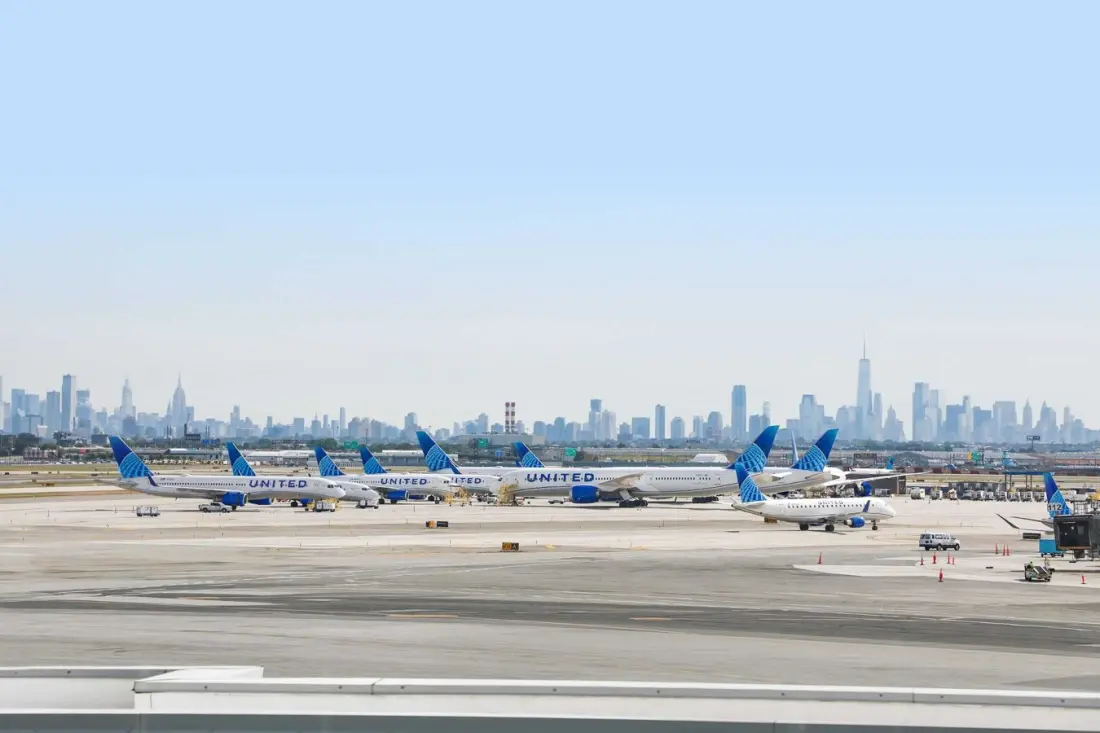
The impact was massive. Arriving flights were halted from around 9:45 am, over 100 aircraft were diverted, and about 7,000 flights nationwide were delayed or cancelled. Newark was hit hardest: no commercial flights landed there for nearly eight hours and more than 600 departures were scrapped. The timing could hardly have been worse — some 130 world leaders were arriving in New York for the UN General Assembly.
So who cut the cable? Transportation Secretary Sean Duffy initially blamed an Amtrak construction crew near New Brunswick, New Jersey. Amtrak denied it, saying the work was on New Jersey Transit property by a NJ Transit contractor. NJ Transit confirmed work was underway at one of its sites but says the crew was digging about 10 feet away from the utility markings — raising the question of whether the contractor ignored accurate markings or whether Verizon (or another contractor) mislabelled the cable's location. Verizon denies any responsibility. The investigation continues.
The bigger story is fragility. This is not the first outage at the Philadelphia facility — 2025 saw separate failures disrupting radar and radio for Newark traffic. Redundancy existed on paper, but a single severed line defeated it. Congress has approved $12.5 billion to begin modernising air traffic control, and Duffy is seeking another $17.5 billion, calling the disruption "unacceptable in America."
For travellers, the takeaway is sobering: the busiest airspace in the country can be brought to a standstill by one digger's mistake. If you're flying through New York, Newark, Philadelphia or nearby airports, build buffer time into any tight connection, consider travel insurance for long delays, and expect congestion to ripple for a day or two after any major outage as airlines reposition aircraft and crews.