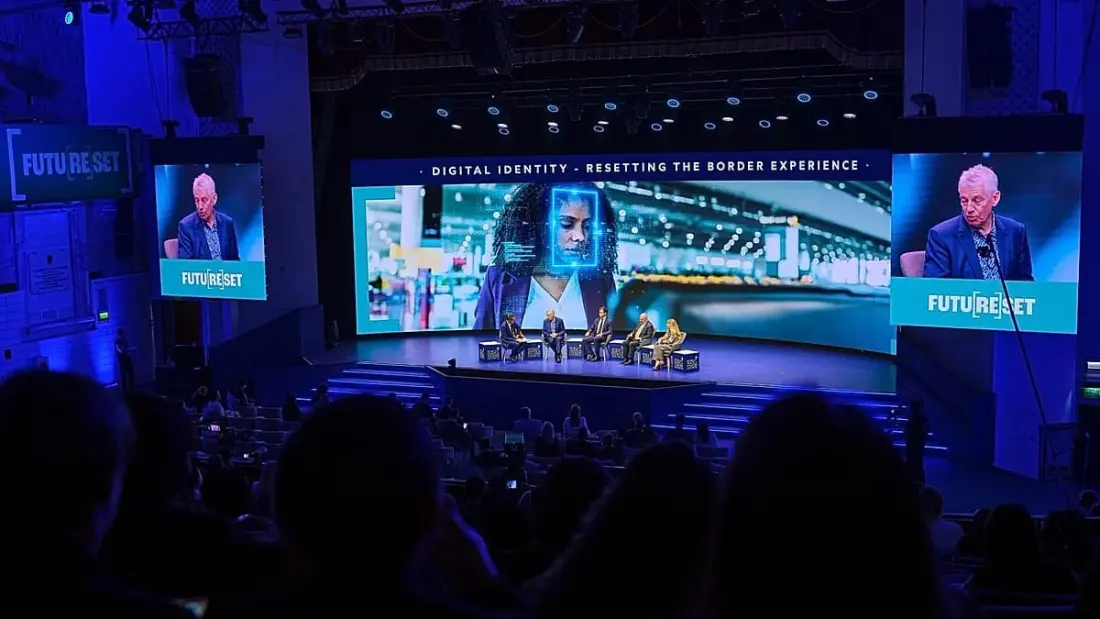
The travel industry's big annual get-together — the 26th WTTC Global Summit, sometimes dubbed the 'Davos of travel' — just wrapped up in Malta, and the ideas floated there give a decent preview of how your holidays will look in the next few years.
The headline prediction came from Dubai Airports CEO Paul Griffiths: passports could be redundant within five years. The tech already exists, he argued — what's missing is coordination between the systems that need to talk to each other. The vision goes beyond airports: digital identity would let you clear borders, pick up a hire car and check into a hotel without ever digging out the little blue book.
AI is the other big theme. Google's Christie Travers-Smith described travellers already using AI tools to plan trips as 'super-empowered' — and said the next frontier is trust: getting comfortable enough to hand an AI agent your card details and let it book the whole thing for you.
Wellness got a serious airing too. Luxury hotels have jumped on longevity trends like hyperbaric oxygen therapy and infrared saunas, but Tim Gray of Health Optimisation pushed for 'longevity as standard' everywhere: blackout blinds, no blinking lights, healthier minibar snacks — the boring basics that help you sleep, eat and recover well on the road. Reporters on the ground tried hyperbaric therapy at the summit and reckoned jet-lagged travellers could genuinely benefit.
There was also a political note. Former Canadian PM Justin Trudeau, the summit's main speaker, said the US 'hasn't been very good at making travellers feel welcome' lately — a nod to the so-called Trump Slump — and argued tourism is the best answer to a world turning inward. His one pick for Canada? His hometown Montréal, for its restaurants, art, summer festivals and, in winter, the snow.
Finally, destinations are rethinking what success means. Jalisco's tourism secretary Michelle Fridman said Mexico is shifting from volume to value: fewer but better visitors who stay longer, spend more, buy local and respect local identity. Spain's Turespaña echoed that, with its director-general describing himself as a 'tourism curator'. But Iniala CEO Mark Weingard warned against chasing only the wealthy — travel should benefit the cities and neighbourhoods it touches, not just the balance sheet.
Why should you care? Because these debates shape what you'll actually experience: biometric borders instead of passport queues, AI that plans and books entire trips, hotel rooms designed for better sleep, and destinations actively courting travellers who stay longer and tread lighter. If that sounds like you, the industry is starting to build for you.
Story reported by Euronews Travel.