A lab worker's death from suspected plague in Russia has put Yersinia pestis back in the news, but the more practical takeaway for American outdoor travellers is this: the bacterium behind the Black Death is alive and well in the wilderness of the western United States, and people still catch it there every year.
The Centers for Disease Control and Prevention counts an average of five to seven human plague cases annually in the U.S., concentrated in New Mexico, Arizona, Colorado, California, Oregon and Nevada. Recent years have seen real fatalities: a New Mexico woman in her fifties died of the disease in June 2026, an Arizona man died of the pneumonic form in July 2025, and there were fatal or serious cases in both states in 2024 as well. Back in 2013, Outside profiled Paul Gaylord, an Oregon man who survived the plague after his sick cat passed it on.
How does a hiker actually get infected? Almost always via fleas. Rodents — notably prairie dogs, whose colonies can be wiped out entirely by outbreaks — carry infected fleas that can bite humans or hitch a ride on dogs and cats, which then bring the pathogen into tents, campervans and homes. Contact with wildlife carcasses is another recognised route. Bubonic plague, the common form, shows up as painful swelling of the lymph nodes (buboes) within a day or two of a flea bite; the rarer pneumonic form infects the lungs and can spread through respiratory droplets. Incubation runs up to a week, with fever, headache, abdominal pain and, in severe cases, pneumonia and shock. Untreated, it can kill — but prompt antibiotic treatment is usually effective, which is why knowing the symptoms matters.
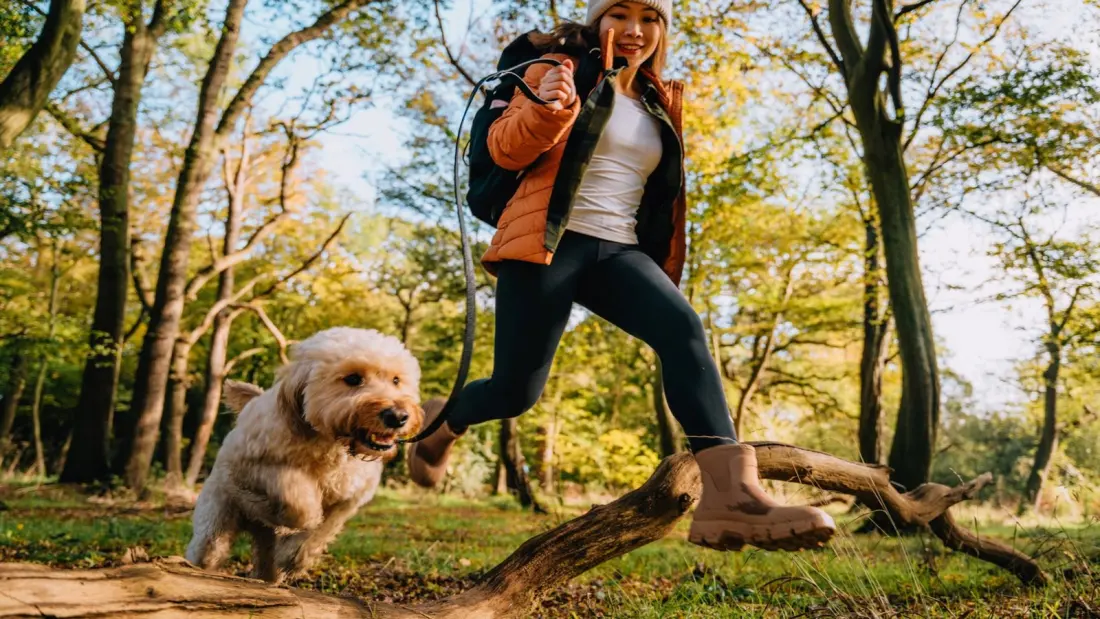
The good news is that prevention is straightforward and fits neatly into normal trail habits. The National Park Service advises keeping distance from wildlife and never handling dead animals. Dogs should be leashed and current on flea and tick prevention — a moot point in many parks where pets are restricted anyway. Repellent helps too: apply DEET or Picaridin to lower legs, skin and clothing before walking through rodent habitat or long grass. None of this should put anyone off a trip to the Grand Canyon or the Rockies; the odds of encountering plague remain tiny. It's simply one more reason to treat wilderness rodent colonies, sick-looking animals and carcasses as look-don't-touch.
For travellers planning hiking or camping trips in the American West, this is a routine-safety story rather than a scare. Pack repellent alongside your sunscreen, keep the dog's flea treatment up to date, and if you develop a sudden fever with painful swollen glands within a week of a backcountry trip, mention the trip to a doctor — early treatment is the difference between a bad week and a tragedy.