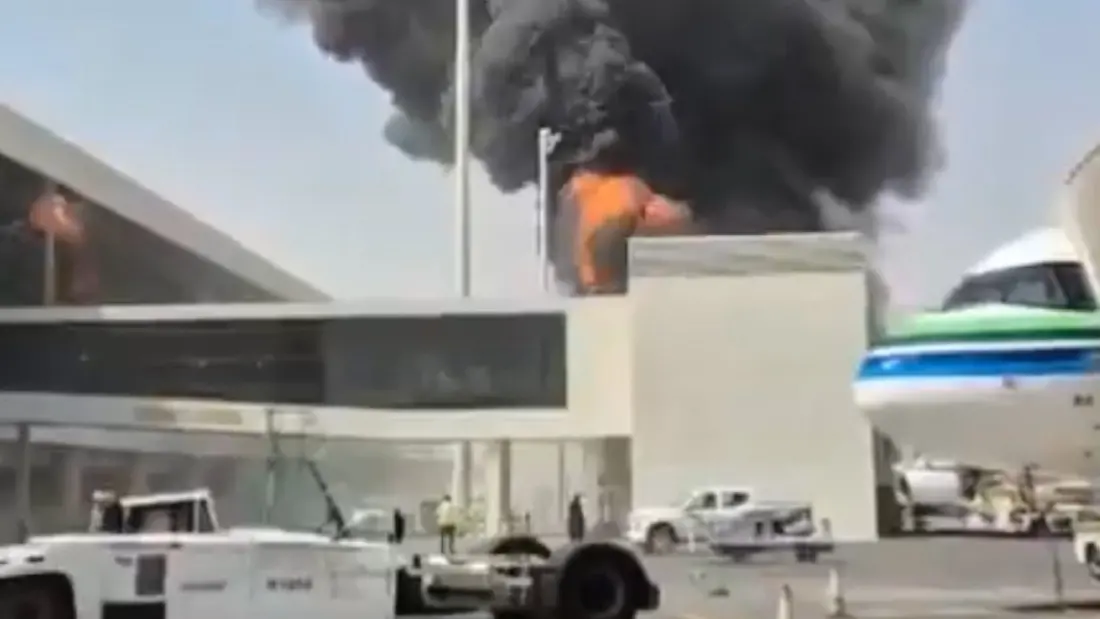
A strike at King Khalid International Airport in Riyadh has killed 12 people and wounded 309 others, in what Saudi officials call the deadliest attack on the kingdom's soil in more than a decade. The Saudi-led coalition blamed the Iran-backed Houthis and described the strike — reportedly a missile that hit the domestic terminal — as a "full-fledged war crime".
Airport operations were suspended after the attack while damage assessments continue. Several Western embassies, including the US, Canadian, German and Spanish missions, have told their citizens to stay away from the airport, and some are barring staff from using it for at least a week. Riyadh schools have moved to remote learning for a full week, the second such switch in a month, and health authorities activated an emergency call-up of doctors. Among the wounded were pilgrims travelling towards Mecca, underlining how the strike hit right at the heart of the Umrah travel corridor.
The timing is especially disruptive for travel and business. The attack came just before Saudi Arabia's flagship convention and entertainment season, which begins this month and typically fills Riyadh with international conferences, concerts and global executives. Flight schedules through the capital could remain unstable, and travellers with bookings via King Khalid International should check directly with airlines before heading to the airport.
The strike fits a broader escalation. A four-year, UN-brokered truce in Yemen's civil war collapsed in July, and Houthi strikes on Saudi Arabia have surged since then, including an earlier attack on the same airport that killed three people and damaged a plane. Fighting has also flared around the Bab el-Mandeb strait, a critical choke point for Red Sea shipping, raising wider concerns about regional stability. US President Donald Trump has suggested Washington might join military action alongside Saudi Arabia, a step that could deepen the conflict further.
If you have travel planned to Saudi Arabia, the practical picture right now: avoid Riyadh airport unless your flight is confirmed operating, monitor embassy advisories closely, and expect heightened security across the capital. Pilgrims heading for Umrah should consider routing via Jeddah's King Abdulaziz International Airport instead, and keep an eye on official Saudi transport updates before making any changes. Anyone in Riyadh during the coming week should anticipate citywide disruptions, including schools running remotely and potential further restrictions around the airport and key event venues.
Those already in the region should register with their embassy, keep travel insurance details to hand and avoid large gatherings near government or transport infrastructure. With the events season about to start, some conferences and entertainment programmes may be postponed or moved — check with individual organisers rather than assuming plans will go ahead.
For anyone deciding whether to travel at all, the honest answer is that this is a fast-moving security situation, not a routine disruption. Departures and arrivals via Riyadh are on hold, several governments are warning against the airport outright, and the risk of further strikes is real enough that embassies are restricting their own staff. Rebooking via Jeddah or Dammam, or postponing non-essential trips to the Saudi capital, is the cautious play until the situation clarifies. We'll be watching how the airport recovers and what it means for the rest of the season.