Missile and drone attacks by Yemen's Houthi rebels have put Saudi Arabia back in the headlines, leaving plenty of travellers wondering whether trips to Riyadh and beyond are still on. The short answer, according to the UK Foreign Office: for most of the country, yes.
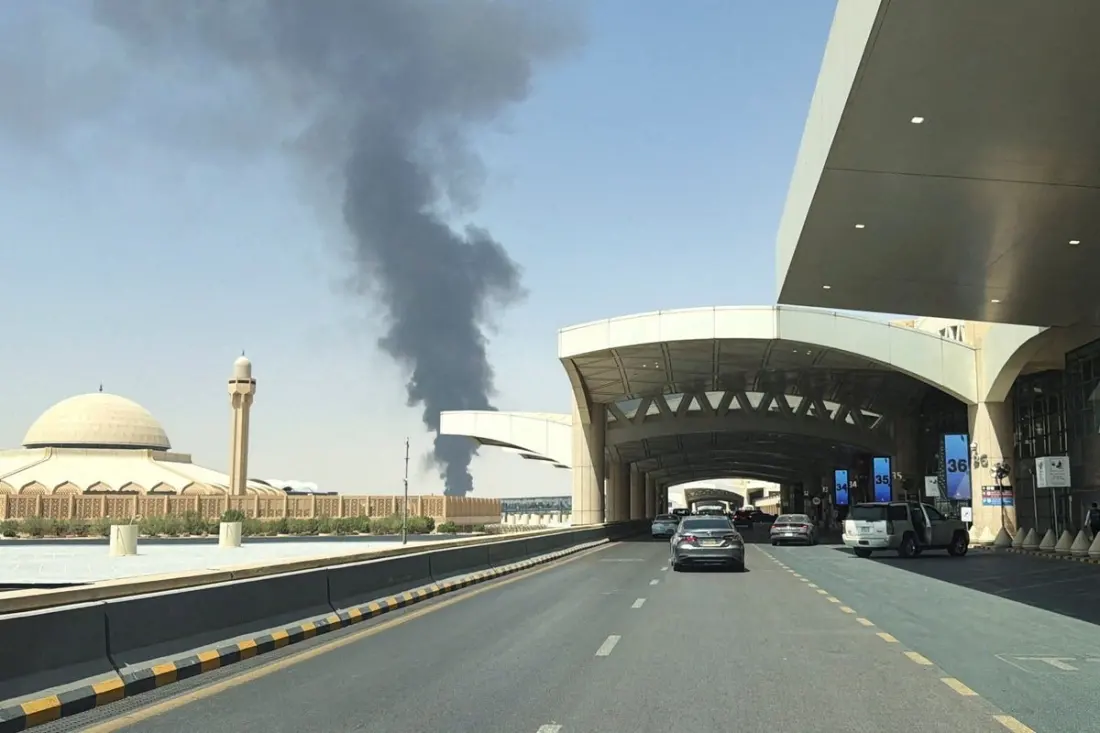
The attacks have hit several cities, airports, military bases and energy sites across the kingdom, including Riyadh and Jeddah, plus shipping in the Red Sea, with some civilian injuries reported. Saudi air defences intercepted a ballistic missile aimed at the capital on Saturday, and emergency alerts were issued nationwide. A plume of black smoke was even seen near Riyadh's international airport, briefly disrupting flights — though by Monday morning, flight tracking showed operations back to normal.
Crucially, the FCDO has not issued a 'do not travel' warning for the bulk of Saudi Arabia. The restricted zone is confined to the south: within 10km of the Yemen border is a no-go, and all but essential travel is advised against between 10km and 80km from the border, including the cities of Abha and Khamis Mushait in Aseer province. Riyadh, Jeddah and Mecca all fall outside any advisory. That said, authorities can temporarily close airports near the Yemeni border, so anyone flying through the south should check with their airline first.
If you are travelling while tensions persist, the official guidance is practical: stay on top of FCDO alerts, keep documents current, and know what to do if a siren sounds. During an attack, get indoors and under hard shelter — an interior stairwell or a room with minimal external walls offers the best protection, and most injuries come from falling debris from intercepts rather than direct hits. Avoid photographing or sharing anything conflict-related, steer clear of oil infrastructure, military facilities and transport hubs where possible, and be ready for potential airspace closures or cancellations across the region given wider Iran-US tensions.
The money question is trickier. Because there's no advice against travel to most of the country, standard bookings apply: you won't get special cancellation rights or a travel insurance payout on safety grounds unless the FCDO changes its position. Any postponement comes down to your provider's own terms, and while some policies include cover for natural disasters that stop you reaching a destination, that's policy-specific — worth a call to your insurer before making decisions.
Bottom line: a trip to Riyadh or the Red Sea coast is still formally considered safe by the UK government, but this is a fast-moving situation. Anyone with a trip booked in the coming weeks should monitor official advice daily and keep buffer time in their itinerary in case of disruption.