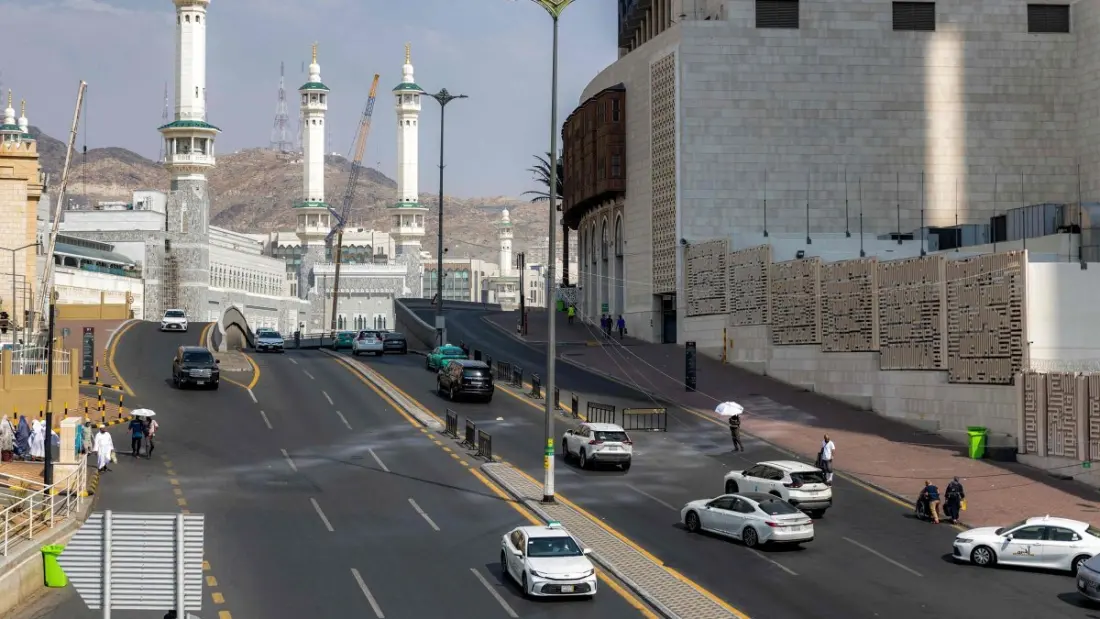
Saudi Arabia's Civil Defence triggered its National Early Warning Platform on Thursday, sending alerts that included Mecca City — the city that hosts the Grand Mosque, Islam's holiest site and the focal point of the Hajj and Umrah pilgrimages. Alerts of this kind on the platform typically signal a possible missile threat.
The warning covered more than just Mecca. Separate alerts went out for Yanbu, the Red Sea port city and industrial hub, along with the Taef, Jeddah and Tabuk regions — a sweep that touches both major air gateways for pilgrims (Jeddah and Medina-adjacent Tabuk routes) and the kingdom's western coast.
Shortly after the alerts were issued, they were lifted, with no damage, casualties or follow-up attack reported. Saudi authorities did not immediately confirm what triggered the platform, and the quick all-clear suggests the system did what it was designed to do: flag a possible threat fast, then stand down when it failed to materialise.
For context, this kind of alert is unusual but not unprecedented for Saudi Arabia. The kingdom has used its early-warning network before during regional tensions, and warnings have occasionally been tied to intercepted projectiles or misidentified activity. Mecca itself sits inland from the Red Sea coast, while Yanbu and Tabuk lie along corridors that have featured in past regional incidents.
Why should travellers care? If you're planning Umrah or a trip through western Saudi Arabia, Thursday's events are a reminder of how the alert system works. Warnings arrive as push notifications on phones via the National Early Warning Platform, and they can cover entire cities or regions at once. The practical takeaway: keep location services and emergency alerts enabled on your phone while in the kingdom, know where the nearest shelter or interior room is in your hotel, and follow Civil Defence updates on official channels rather than social media rumour. In almost all cases, a lifted alert means life returns to normal within minutes — but knowing the drill beats scrambling in the moment.
Pilgrims should also note that visa logistics and travel insurance for Saudi trips rarely account for security disruptions, so it's worth checking your operator's policy on itinerary changes before booking. Flights through Jeddah and other western airports continued normally after the alerts were withdrawn, and there was no indication of disruption to pilgrimage services.
This is a developing story and we'll keep an eye on whether authorities offer a fuller explanation for what prompted the alerts.
Story first reported by Daily Sabah Travel.