
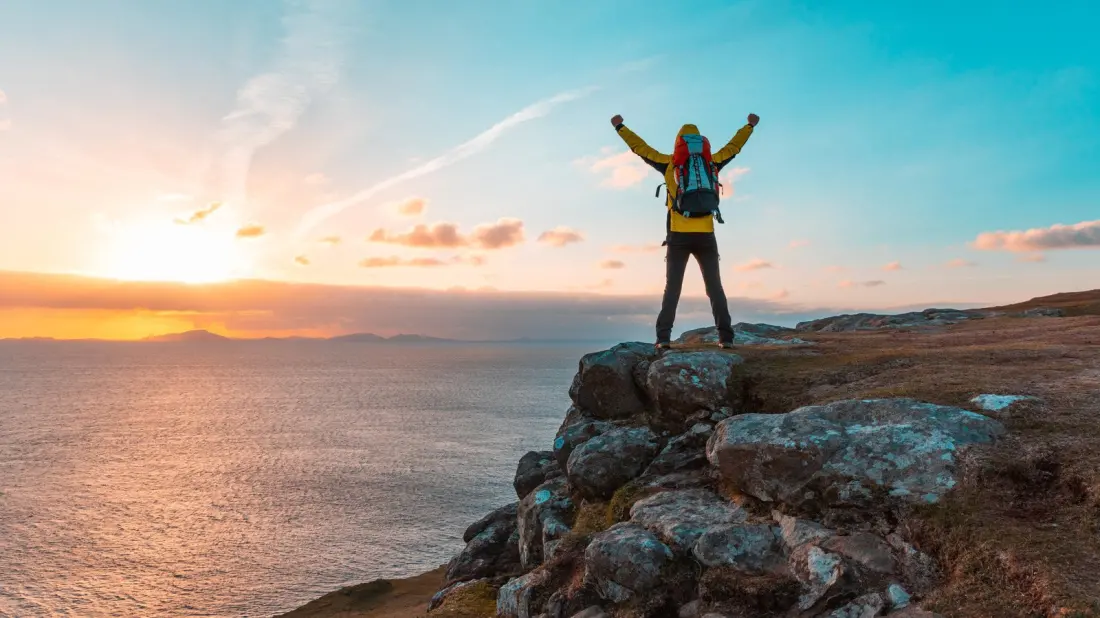
Picture this: you set off from Gretna on the English border and hike 350 miles to John O' Groats, the tip of the mainland, crossing private land the entire way — legally. That's not a fantasy scenario. It's what Scotland's Right to Roam actually allows.
The legal backbone is the Land Reform (Scotland) Act of 2003, which turned an ancient custom of shepherds and wanderers crossing open land into formal law. Under the Act, responsible non-motorised travel is allowed across most land in Scotland, including private property, without you being treated as a trespasser. For a country where more than half the terrain is open moorland, dotted with over 30,000 lochs and fringed by 11,600 miles of coastline and some 900 islands, that opens up an enormous amount of country.
Crucially for hikers, the right generally extends to wild camping. Once you're north of Edinburgh and Glasgow, accommodation gets sparse fast, and many of the most rewarding spots are far from any inn or rental. Being able to pitch a tent legally at the end of a long day is what makes multi-day routes feasible without booking months ahead.
There are limits, and they matter. The law applies to land that isn't enclosed — so no climbing walls or fences to get in. Activities covered include walking, cycling, horse riding, paddling and climbing, but you're expected to keep well clear of private homes and buildings. Fires are off the menu unless you have explicit permission. Dogs are fine. The Scottish Outdoor Access Code boils it down to three principles: respect other people's interests, care for the environment, and take responsibility for your own actions. In practice, think Leave No Trace — pack out litter, don't disturb the ground, stay off fragile ecosystems.
England has a similar access regime but with more restrictions and a list of 'excepted lands' where roaming isn't allowed — understandable in a far more densely populated country. Scotland's sheer emptiness is what makes its version so generous. And if you've enjoyed similar freedoms in Scandinavia, the logic will feel familiar; most Nordic countries run comparable systems.
Who is this for? Anyone who has ever been frustrated by locked gates and 'private — keep out' signs. Long-distance walkers can stitch together routes that would be impossible elsewhere in Britain. Weekend campers can ditch the campsite fees in favour of a lochside pitch. Even casual visitors benefit — that spontaneous detour up a hillside or along a shoreline is completely within your rights. The one requirement is to treat the privilege with the care it demands: give locals space, leave nothing behind, and the whole country effectively becomes your trail network. Few places in Europe offer anything close to it, which is exactly why Scotland keeps drawing hikers back.