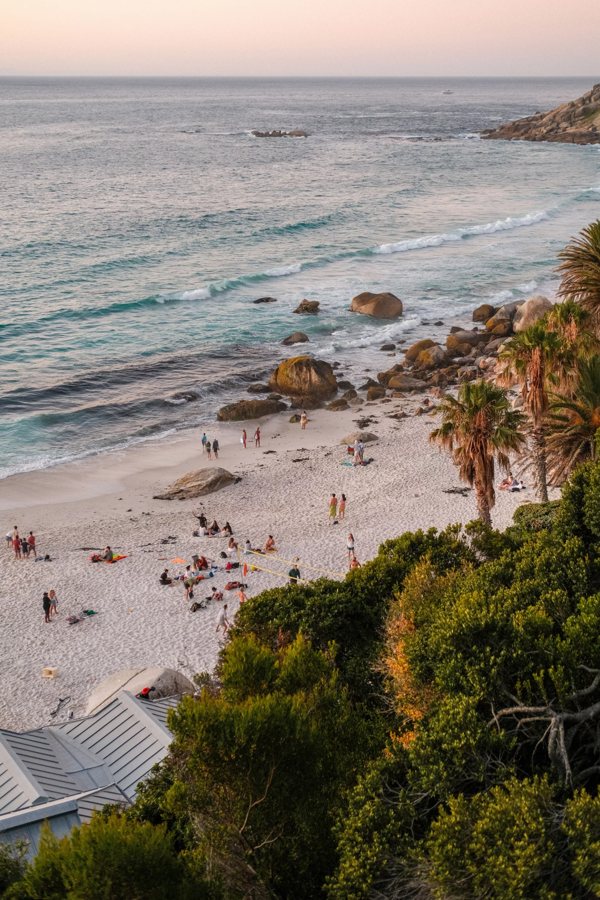
A powerful spring tide is set to hit South Africa's coastline just as families flood to the seaside for the school holidays and the Heritage Day long weekend. The National Sea Rescue Institute (NSRI) has put out a warning covering Saturday 26 September through Tuesday 29 September, urging swimmers, anglers and hikers to plan around the water rather than hope for the best.
The timing matters. The full moon peaks at 18:48 on Saturday, and the biggest tidal ranges typically land a day or two later. Add the 23 September equinox — when spring tides are often among the strongest of the year — and you get an unusually pronounced effect. Spring tides happen when the sun, moon and Earth line up, amplifying the gravitational pull on the ocean, and the impacts can linger for several days.
So what actually changes on the beach? High tides climb further up the sand, low tides expose more rocks and seabed, and the gap between the two stretches wider than normal. That bigger tidal range brings real hazards: rip currents get more force, especially on the outgoing tide, and strong flows can develop around estuary mouths, harbour entrances and narrow inlets — the Knysna Heads get a specific mention. Coastal paths can flood or become cut off at high tide, and rock anglers may find waves crashing into spots that usually feel safe.
The NSRI's advice is practical rather than dramatic. Swim only at lifeguard-protected beaches, between the flags, and check tide tables and the South African Weather Service forecast before you head out. Hikers should time routes around high tide and skip trails that can be cut off. Rock anglers are told to keep distance from the water's edge, wear a life jacket and carry something that floats — the NSRI suggests an empty five-litre plastic bottle with a rope, which is as low-tech as safety gear gets. Boaters and paddlers need life jackets, basic safety kit and a phone in a waterproof pouch.
A few ground rules round it out: no alcohol before swimming, boating or fishing; a responsible adult watching children at all times; and extra caution at rivers, dams and lakes after rain, when water runs fast and deep. In an emergency, call the NSRI Emergency Operations Centre on 087 094 9774 or dial 112 from a cellphone.
Why should travellers care? Because late September is prime coastal season in South Africa — the Heritage Day break, known to many as Braai Day, pulls huge crowds to the Western Cape and Garden Route. If you're visiting from abroad, spring tides probably aren't on your radar, and the sea here can be far more powerful than a calm morning suggests. Checking a tide table takes thirty seconds and could save your trip, or worse. Whether you're paddling at Knysna, hiking the coast or fishing off rocks, treat this weekend's water with respect and the holiday stays a holiday.