The Booker Prize shortlist landed on September 22, and this year's six titles read less like a fiction lineup and more like a set of boarding passes. Committee chair Mary Beard put it plainly when judging the longlist: every writer on it uses words to carry readers somewhere new, or to see an old place from a different angle. The shortlist delivers exactly that.
M. John Harrison, an 81-year-old science fiction veteran and shortlist first-timer, sets The End of Everything on the Kent coast after an alien arrival has upended the world. Beachcomber Phillip Tennent and his 70-year-old aunt Marnie pick through the wreckage of a conflict nobody can even agree on how it started. Harrison says he loves that stretch of English coast from Hastings up to Suffolk, and the book makes it his canvas.
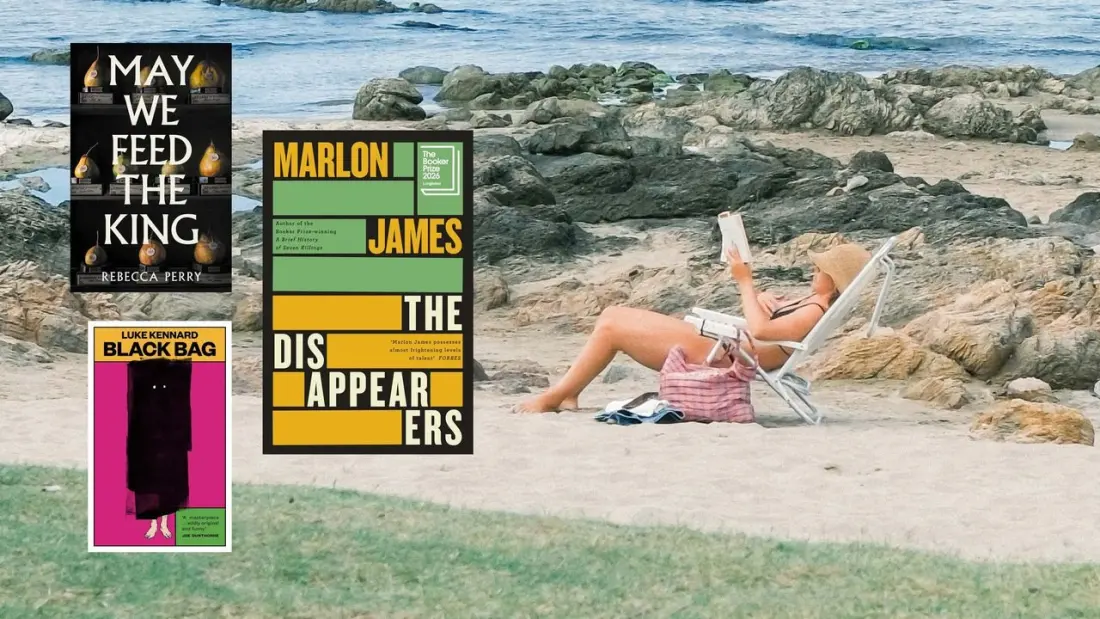
Marlon James, a former Booker winner, returns with The Disappearers, a 640-page novel about a group of queer men in Jamaica navigating the 1980s and '90s after an anti-gay hate crime. James did on-the-ground research in Jamaica for what he calls his most personal work, and the prize committee praised how precisely it captures Kingston's uptown-downtown divide without tipping into travelogue.
Luke Kennard's Black Bag is the comic outlier: a satire of London's brutal cost of living in which a broke artist gets paid to sit zipped inside a person-sized bag in a university lecture hall. It's based on a real 1960s experiment by Oregon State professor Charles Goetzinger, who tested the mere-exposure effect — do we grow fond of things simply because they're familiar?
Rebecca Perry's May We Feed the King strips names, genders and places out of a medieval court story, following a curator who stages historical reenactments for an estate's vaguely defined 750th anniversary. Elizabeth Strout's The Things We Never Say drifts somewhere on the Massachusetts Bay, where high school teacher Artie Dam's orderly life of sailing and Civil War lessons comes apart under family revelations and encroaching politics. And Douglas Stuart, whose Shuggie Bain won in 2020, sets John of John on the Isle of Harris in Scotland's Outer Hebrides in the pre-internet 1990s, where an art school graduate is pulled home by his austere Calvinist father to weave, care for his grandmother and return to the church.
For travellers, this list is a genuine prompt. Harrison's Kent shoreline, Kingston's neighbourhoods, the windswept Harris tweed country of the Hebrides and a quiet New England bay are all places you can actually stand in, and reading the books first (or after) sharpens how you see them. The Hebrides title alone is enough to plan a slow island trip around — ferries, Harris tweed workshops and all.